![Kyoto [Gallery-So] for purchase, sale, and appraisal of art works](https://gallery-so.net/images2/common/so-logo.png)
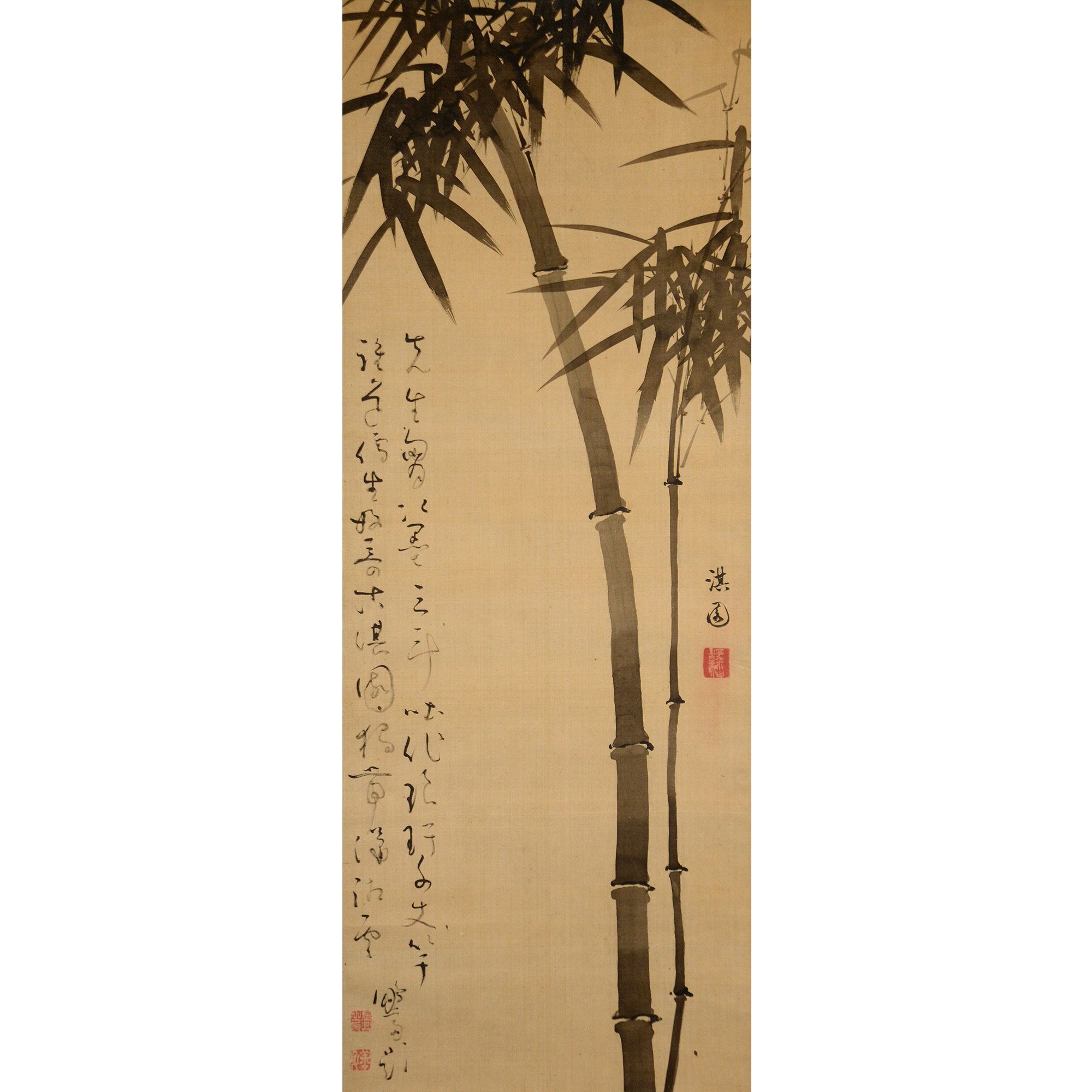
”Bamboo”
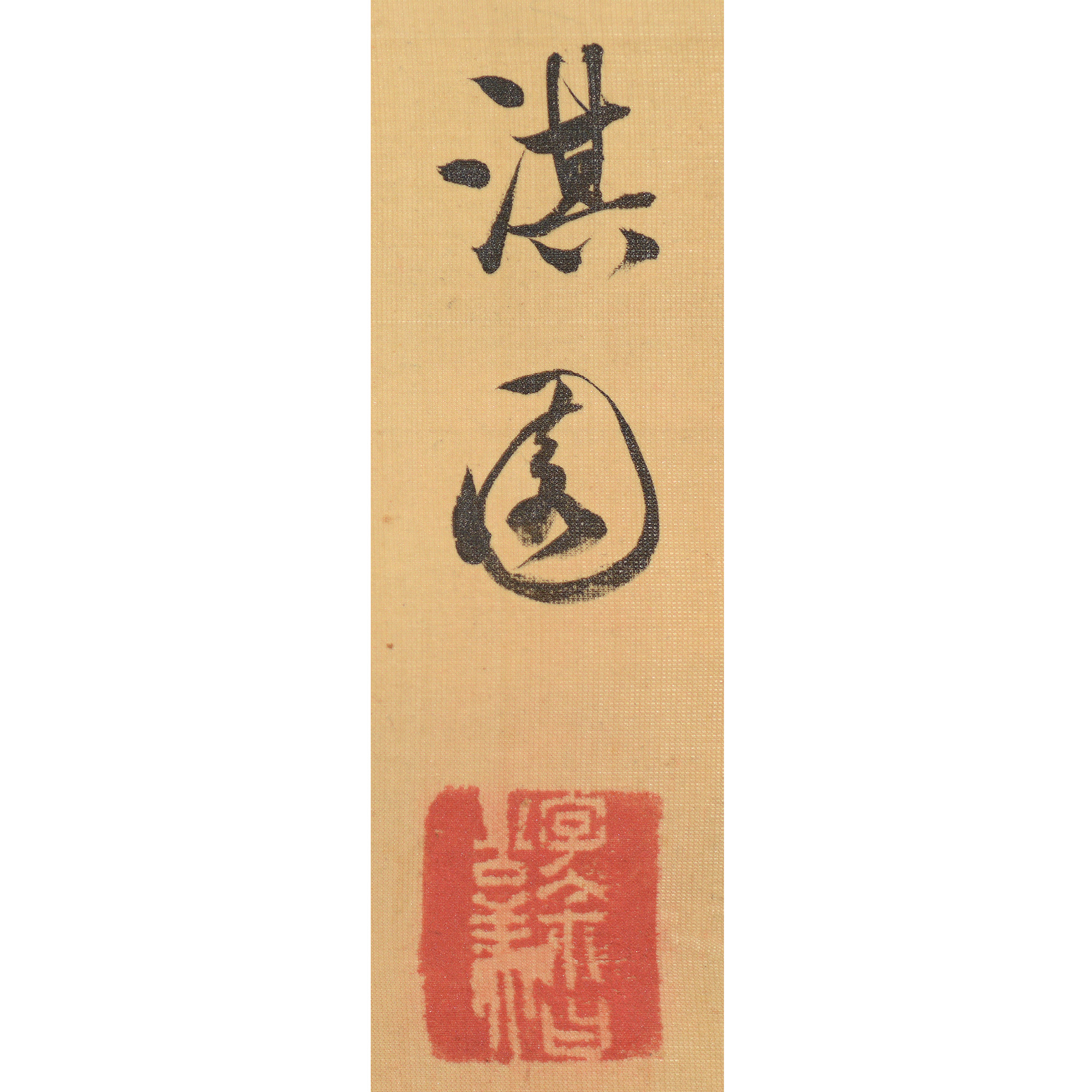
Kameda Bōsai, Yanagisawa Kien
Click the image to enlarge.
- Artist Name
- Kameda Bōsai, Yanagisawa Kien
- Title
- ”Bamboo”
- Dimensions
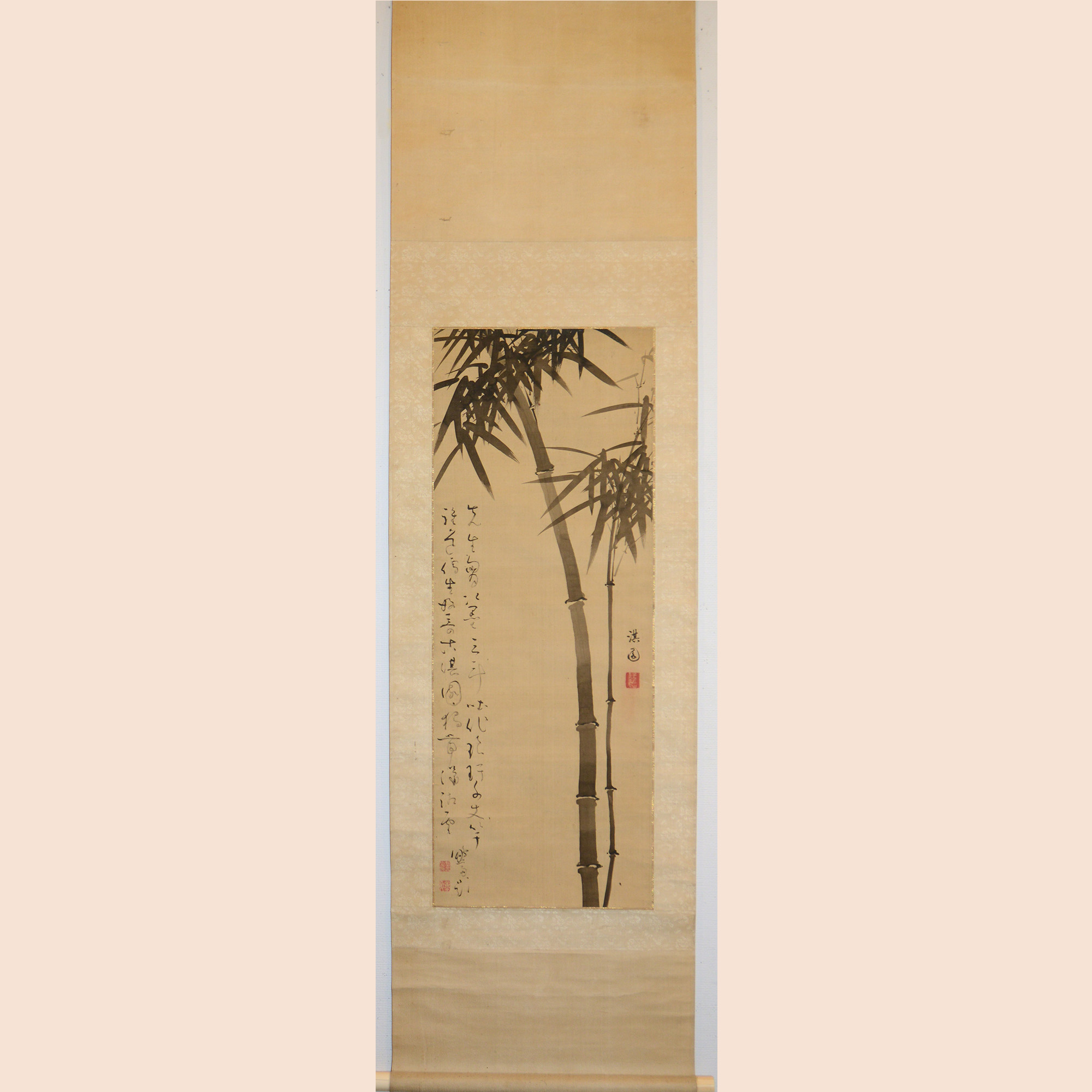
- painting:82.5×31.5㎝
full length:159.5×44.0㎝ - Medium
- Ink on Silk
- Description
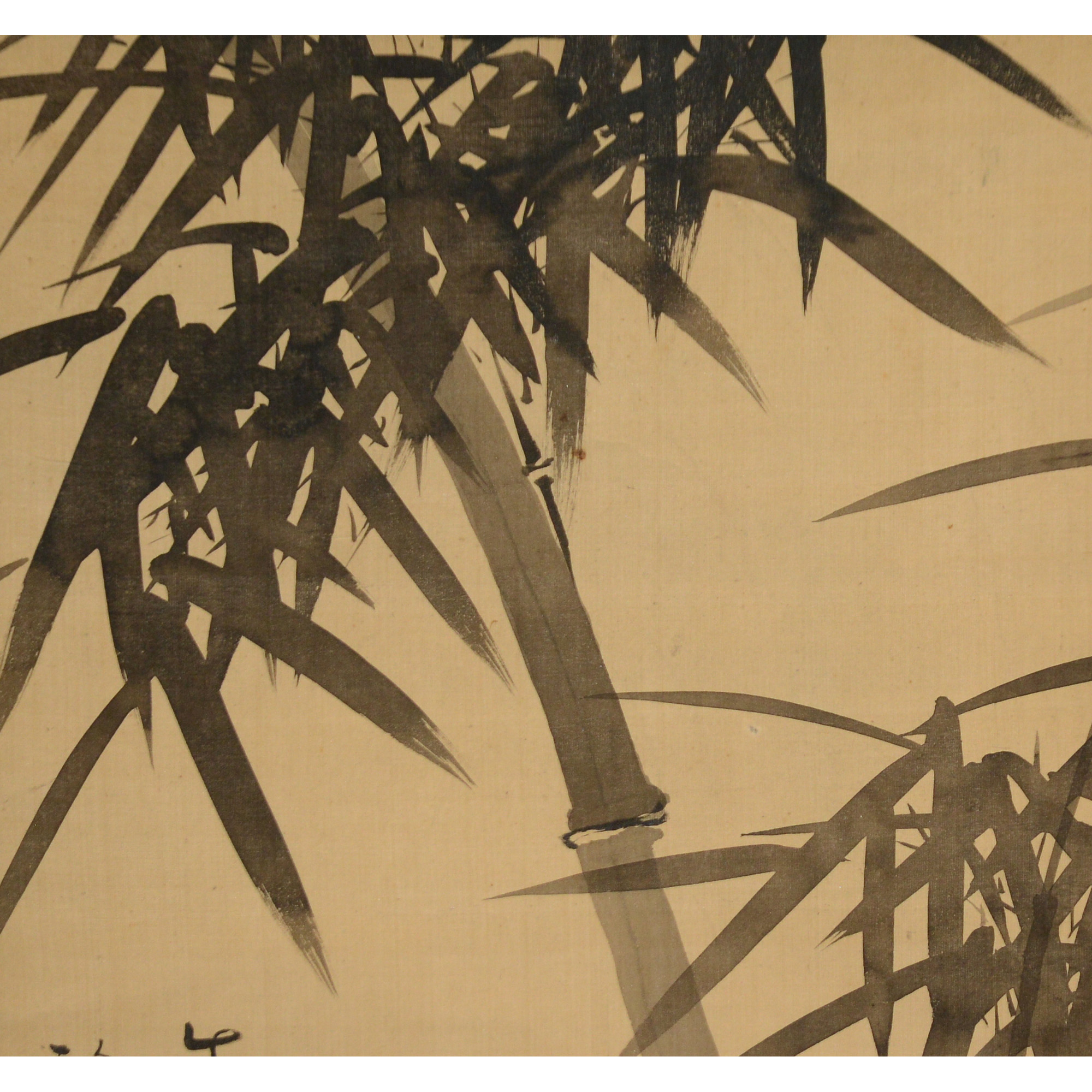
- Two bamboo stalks rise upward from the lower part of the composition. Each segment of the bamboo culm gradually becomes lighter from bottom to top, creating a subtle gradation of ink. *Bamboo in Ink* (Bokuchiku-zu) was one of Ki’en’s favored subjects, as is confirmed by the fact that most of his surviving monochrome ink paintings depict bamboo.
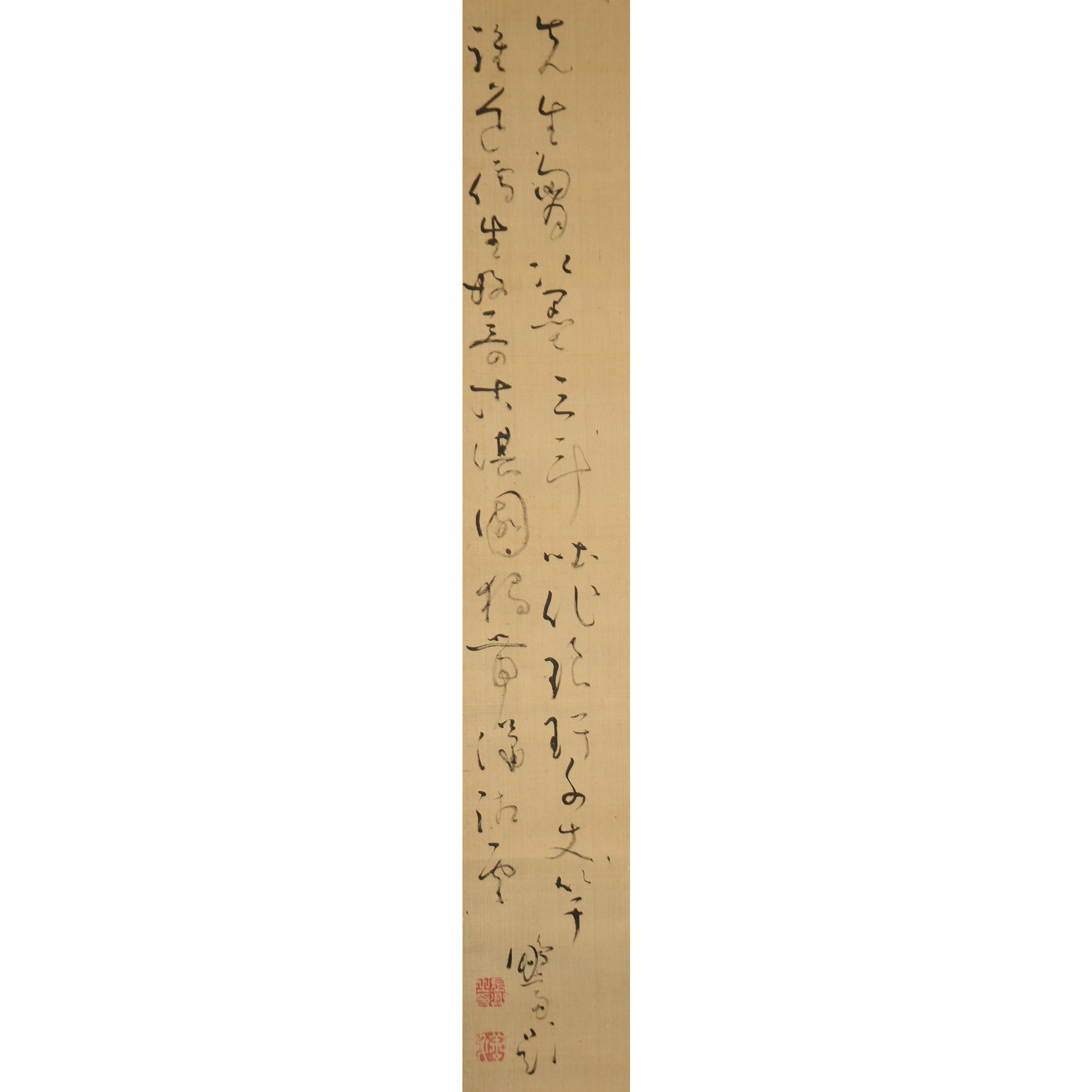
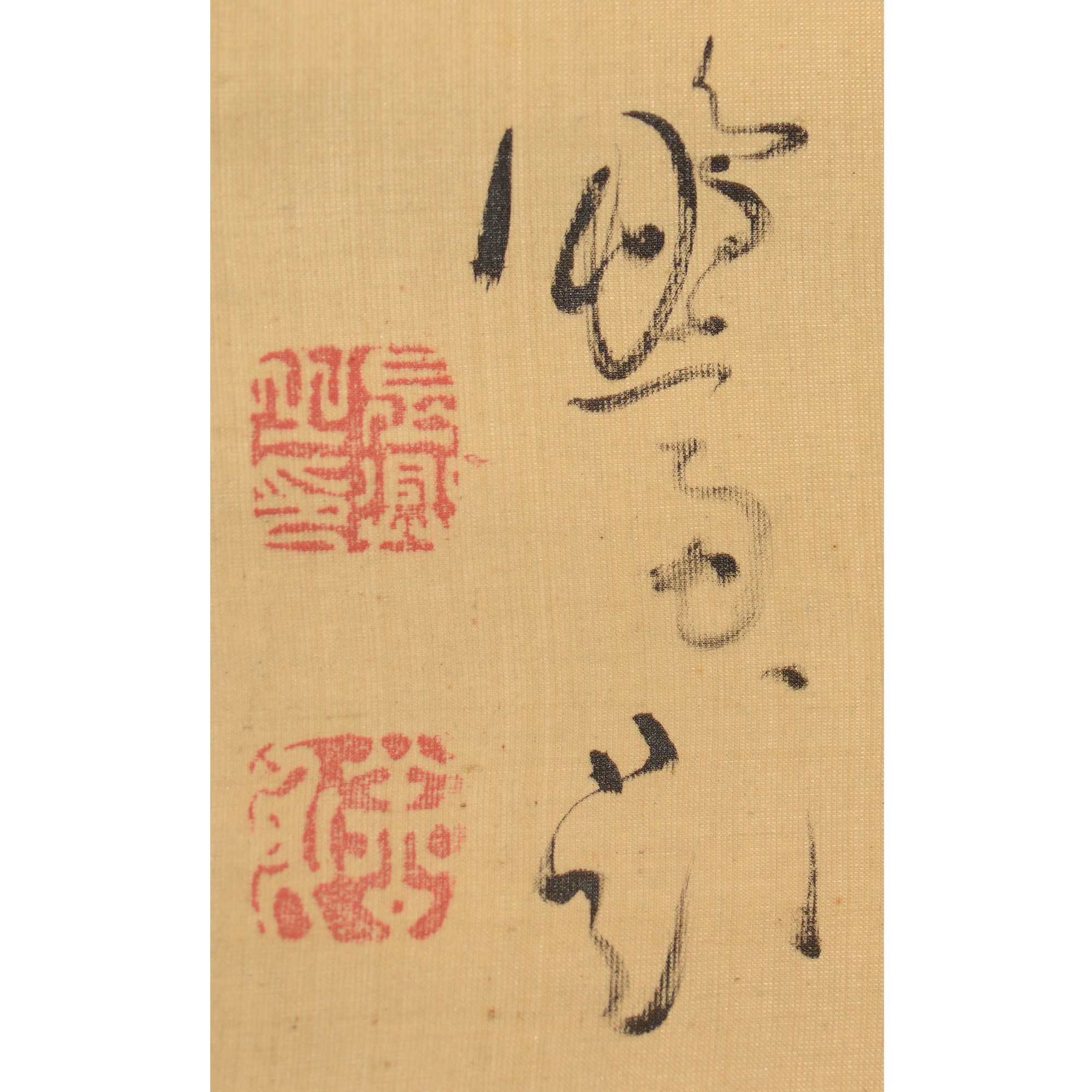
Based on the life dates of the inscriber, Kameda Bōsai, it can be confirmed that the inscription was added at a later date.
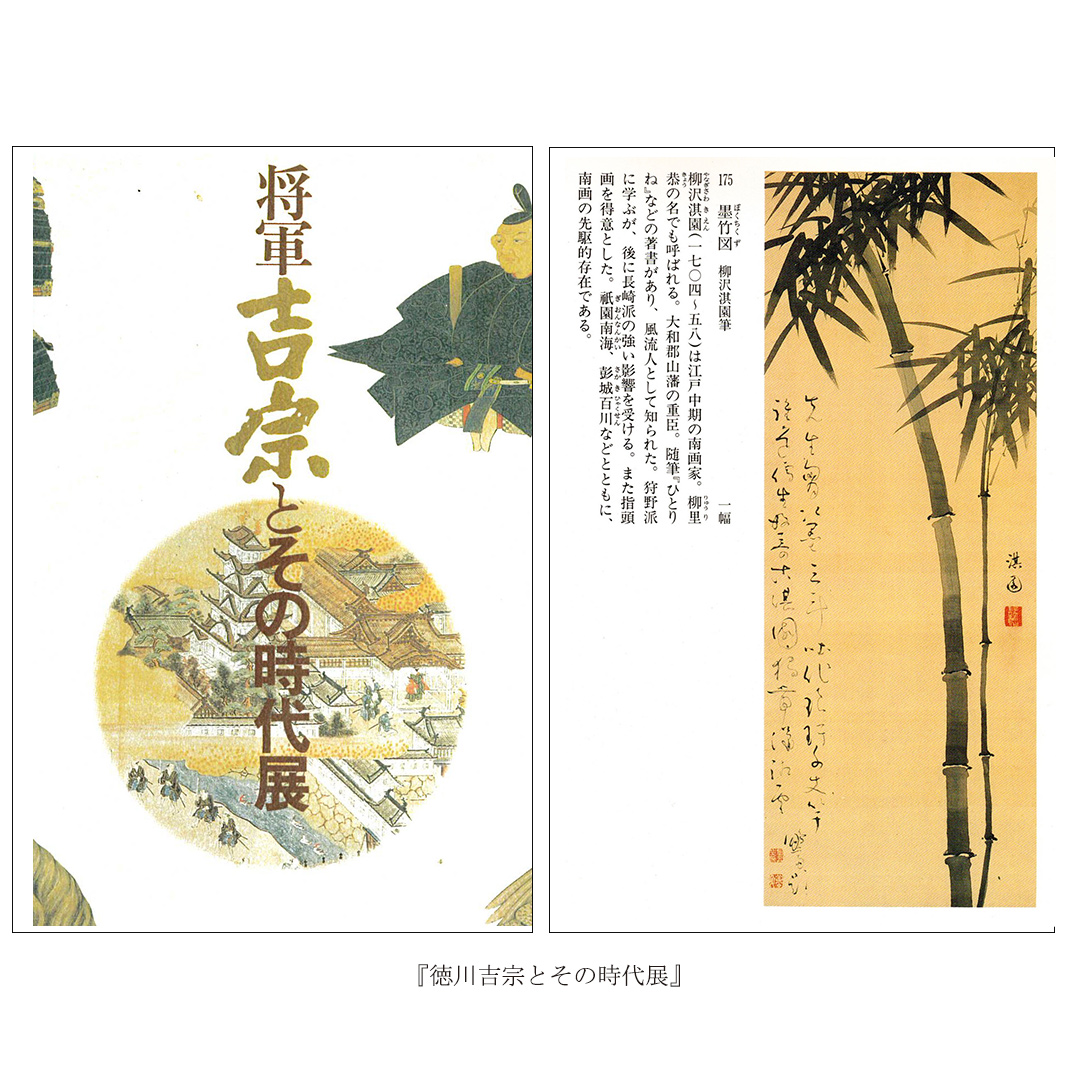
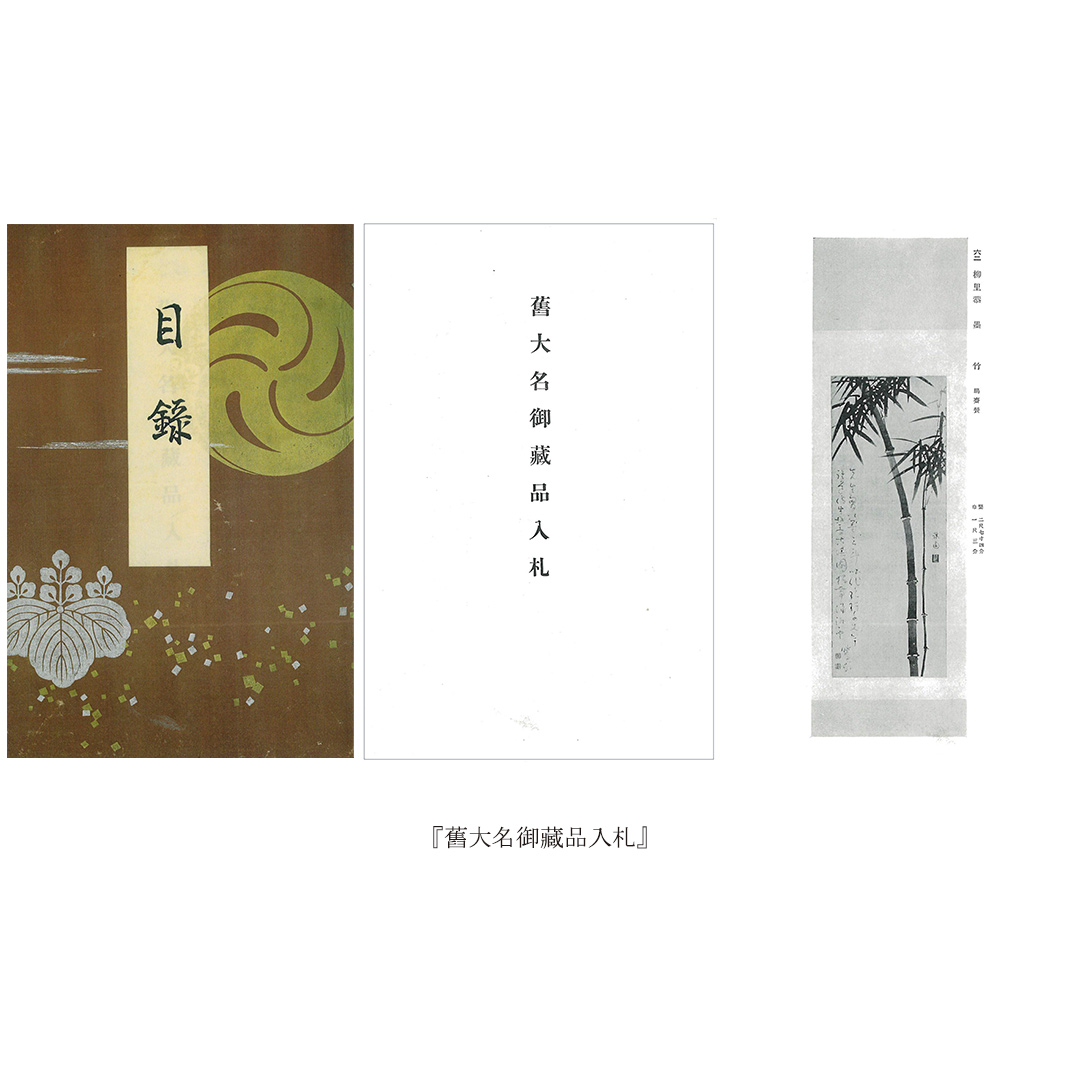
This work was exhibited in *“Shōgun Yoshimune and His Era”* (Suntory Museum of Art, Tokyo / Wakayama City Museum, 1995).
The inscriber, **Kameda Bōsai (1752–1826)**, was a Confucian scholar of the late Edo period. His personal name was Nagaoki, his courtesy name Chiryū, and his art names included Bōsai and Zenshindō. Born into a merchant family in Edo, he studied under Inoue Kinga and was counted among the so-called “Five Demons of Edo.” He was also well known for his poetry and calligraphy.
**Yanagisawa Ki’en (1704–1758)** was a Nanga (Southern School literati) painter and Confucian scholar of the mid-Edo period. His personal name was Satoyasu, his courtesy name Kōbi, and he was commonly known as Gondayū; he also used the art name Chikkei and is sometimes referred to as Yanagi Satoyasu. He was the second son of Yanagisawa Yasukaku, the chief retainer of Yanagisawa Yoshiyasu.
Ki’en initially studied painting in the Kanō school tradition, and later became a pupil of Yoshida Shūsetsu of the Nagasaki school. Strongly influenced by the Nagasaki school style, he produced numerous works characterized by meticulous observation and richly applied colors. He was also skilled in *shishūga* (finger painting), a technique in which ink is applied with the fingers or fingernails, and he had a particular fondness for painting bamboo. This finger-painting technique influenced Ike Taiga, who studied under Ki’en.
Together with Gion Nankai and Hekijō Hyakusen, Ki’en is regarded as one of the pioneers of Japanese literati painting (bunjinga).