![Kyoto [Gallery-So] for purchase, sale, and appraisal of art works](https://gallery-so.net/images2/common/so-logo.png)
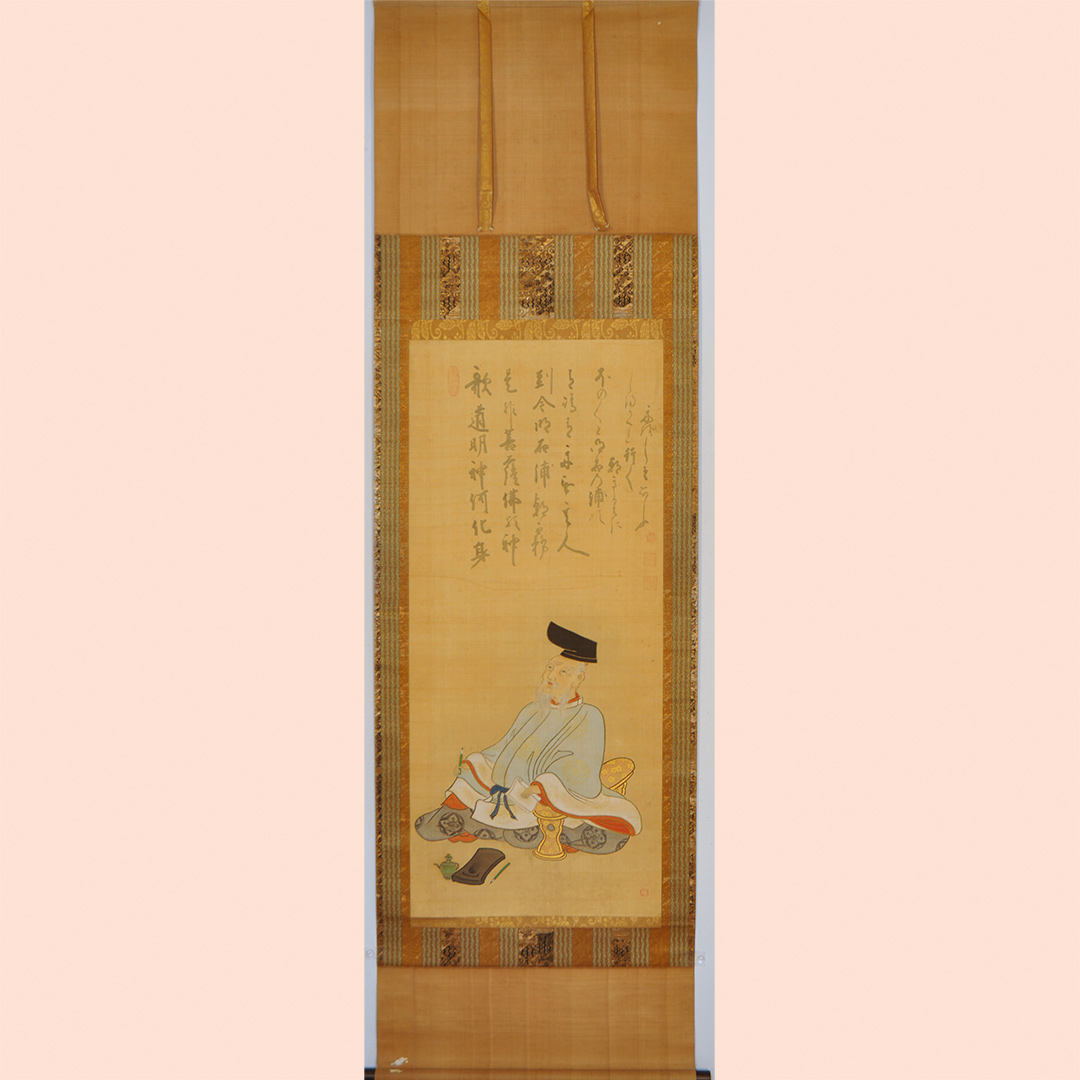
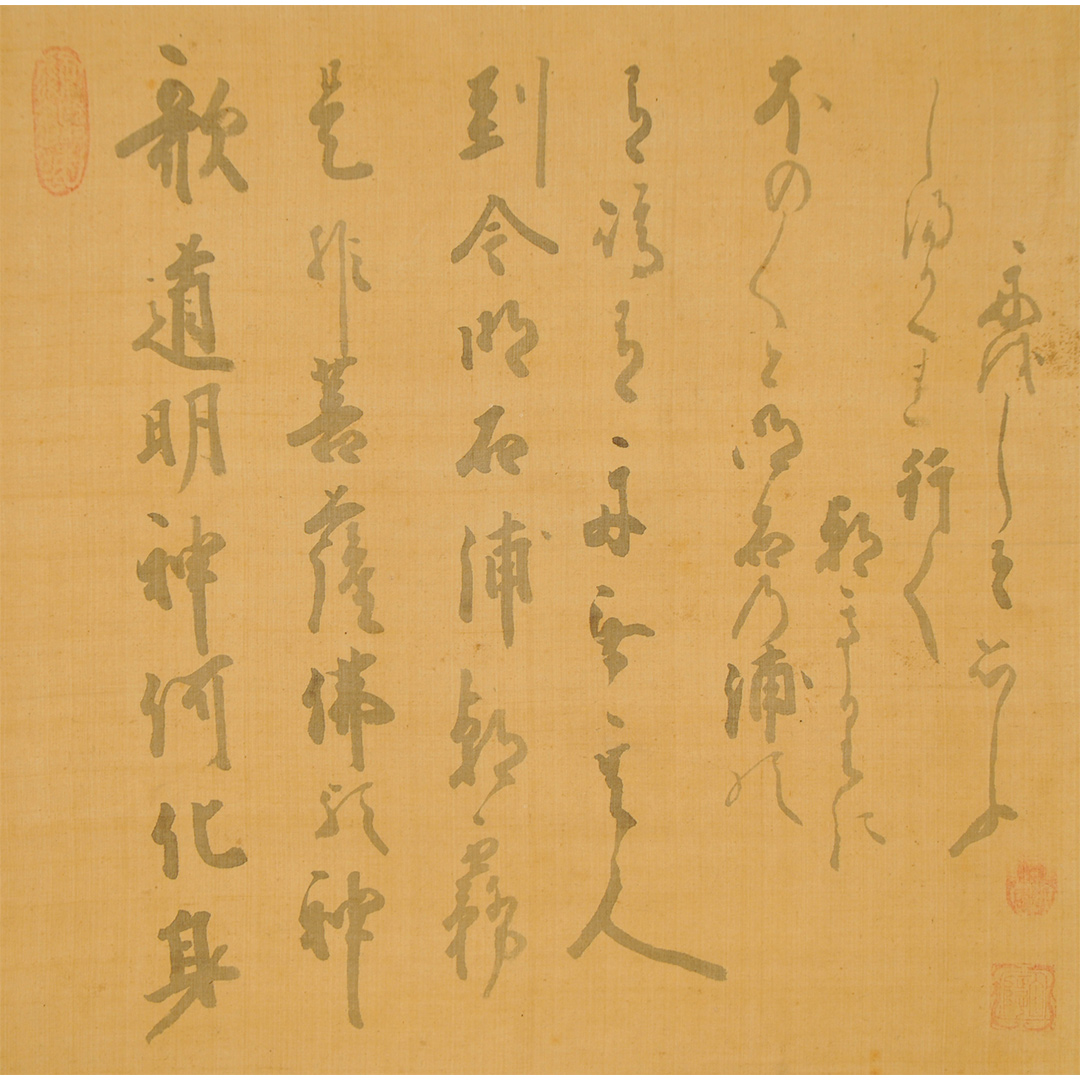
“Kakinomoto no Hitomaro, with Inscription”
Hakuin Ekaku About Hakuin Ekaku☜
Click the image to enlarge.
- Artist Name
- Hakuin Ekaku
- Title
- “Kakinomoto no Hitomaro, with Inscription”
- Dimensions
- painting:100.7×44.0㎝
full length:189.8×56.2㎝ - Medium
- ink with colors on silk
- Description
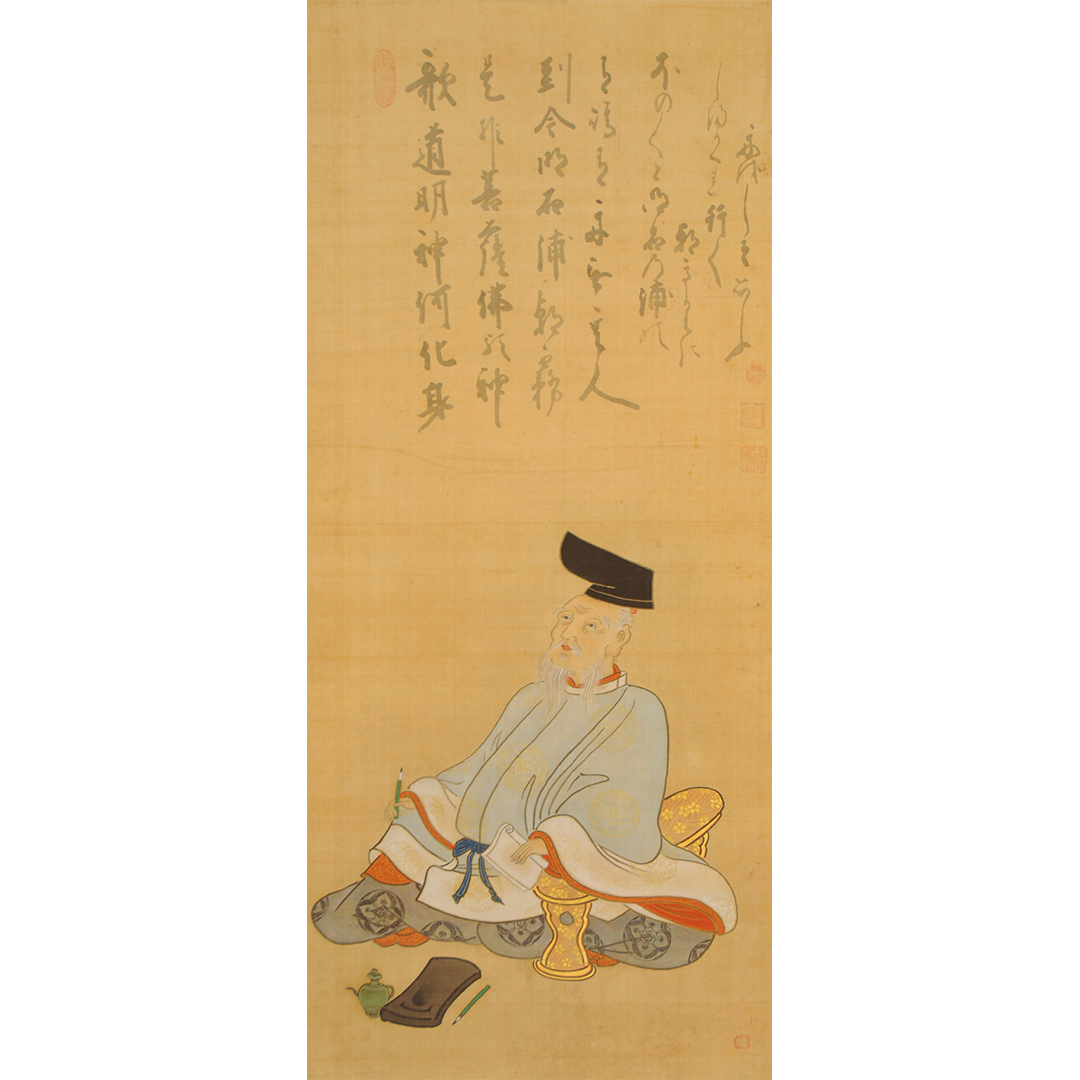
- This work depicts Kakinomoto no Hitomaro as painted by Ishihara Yasutane, with an inscription by Hakuin Ekaku.
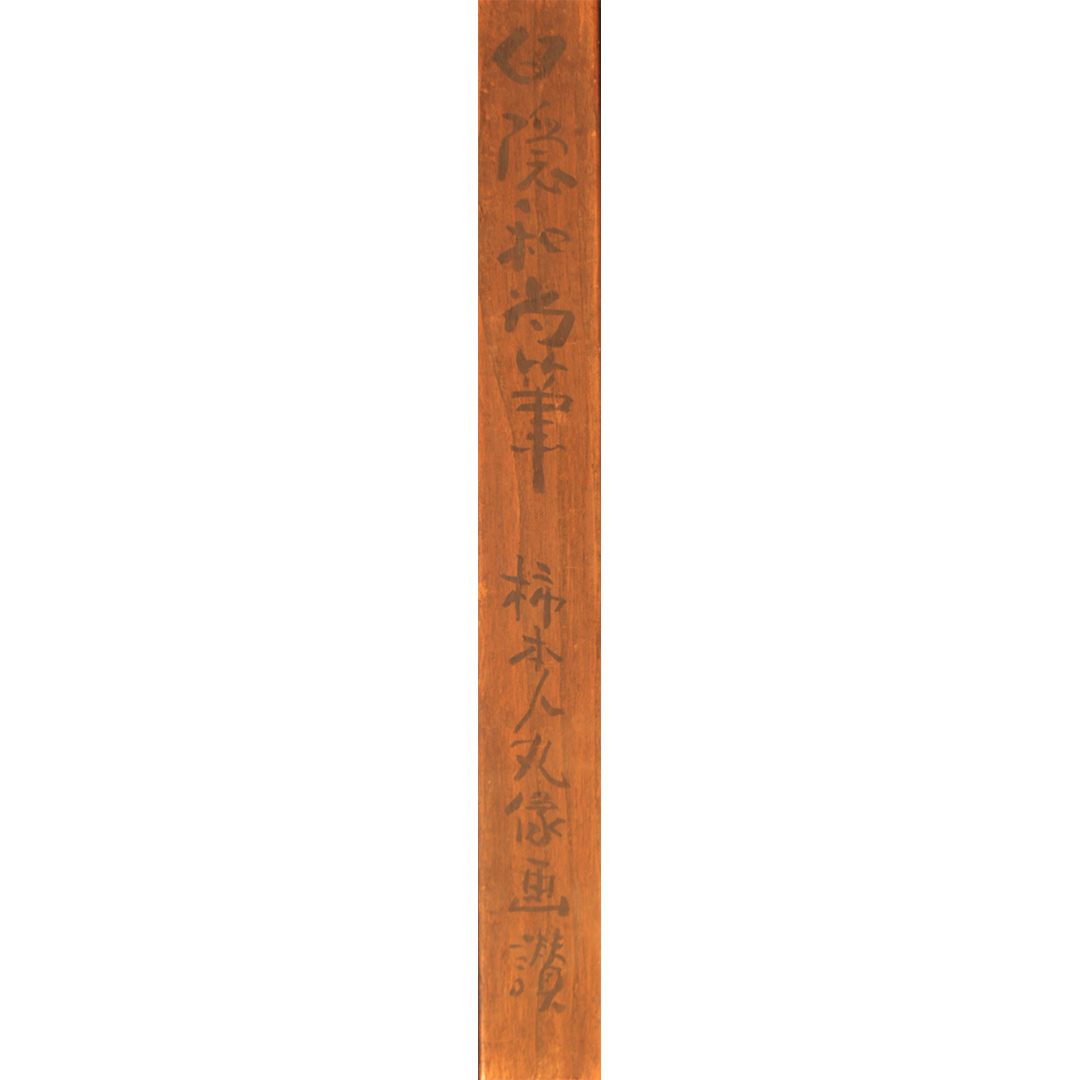
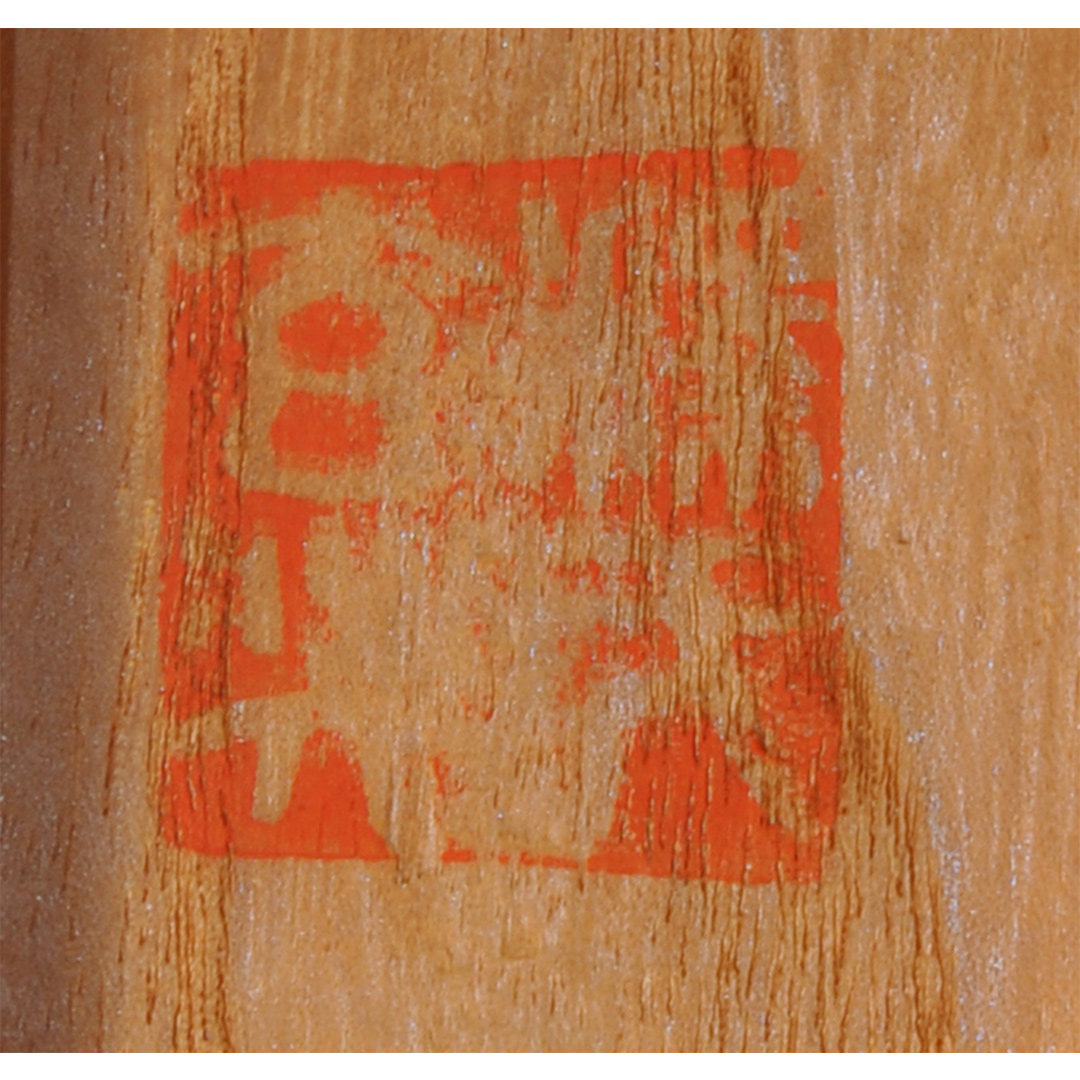
Kakinomoto no Hitomaro was a celebrated poet of the Man’yōshū and is counted among the Thirty-six Poetic Immortals. He is said to have served under the courts of Emperor Tenmu, Empress Jitō, and Emperor Monmu. In later generations, he was revered together with Yamabe no Akahito as one of Japan’s “poet-saints.” This painting was formerly in the collection of the Takashima family of Numazu. The storage box bears an authentication inscription by Nakajima Genzō, head priest of Shōin-ji Temple.
The painter, Ishihara Yasutane, was active in the early to mid-Edo period and is said to have been a disciple of Tsunenobu, the second-generation master of the Kobikichō Kanō school. He is known to have depicted famous scenic sites in Ōmi (present-day Shiga Prefecture), including Ishiyama-dera Temple, Seta Bridge, the Pine of Karasaki, and Mount Mikami.
Hakuin Ekaku (1685–1768) was born in Suruga Province (present-day Shizuoka Prefecture). Owing to his great accomplishments, he was praised in a well-known saying: “In Suruga there are two surpassing things—Mount Fuji and Hakuin of Hara.” A Rinzai Zen monk of the mid-Edo period, Hakuin’s personal name was Ekaku; he also used the art names Kokurin and Sentekutsu, and posthumously received the titles Jinki Dokumyō Zenji and Shōshū Kokushi. At the age of fifteen, he entered the priesthood at Shōin-ji in Suruga. After traveling widely in religious training, he returned to Shōin-ji at the age of thirty-two to become its abbot, and attained enlightenment at forty-two. Many disciples gathered under his guidance, including Tōrei Enji, Suiō Genro, Gasan Jitō, Ashizu Eryū, Shikyō Eryō, and Teishū Zenjo, among others.
By organizing and systematizing the corpus of kōan practice, Hakuin is regarded as the reviver of Japanese Rinzai Zen.