![Kyoto [Gallery-So] for purchase, sale, and appraisal of art works](https://gallery-so.net/images2/common/so-logo.png)
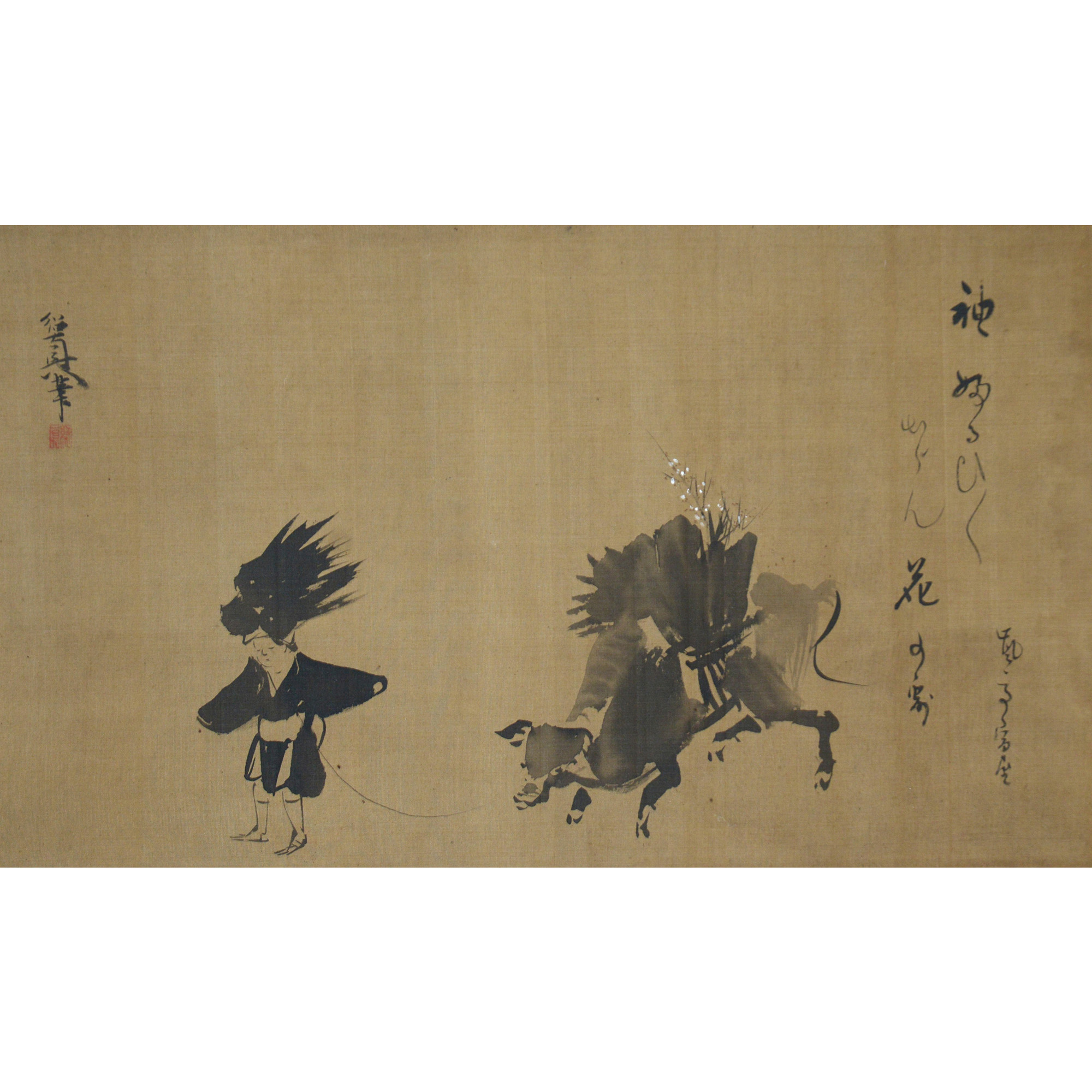
“Woman of Ōhara”
Kuwagata Keisai
Click the image to enlarge.
- Artist Name
- Kuwagata Keisai
- Title
- “Woman of Ōhara”
- Dimensions
- painting:33.2×55.7㎝
full length:121.1×68.3㎝ - Medium
- “Ink and Light Color on Silk”
- Notes
- Description
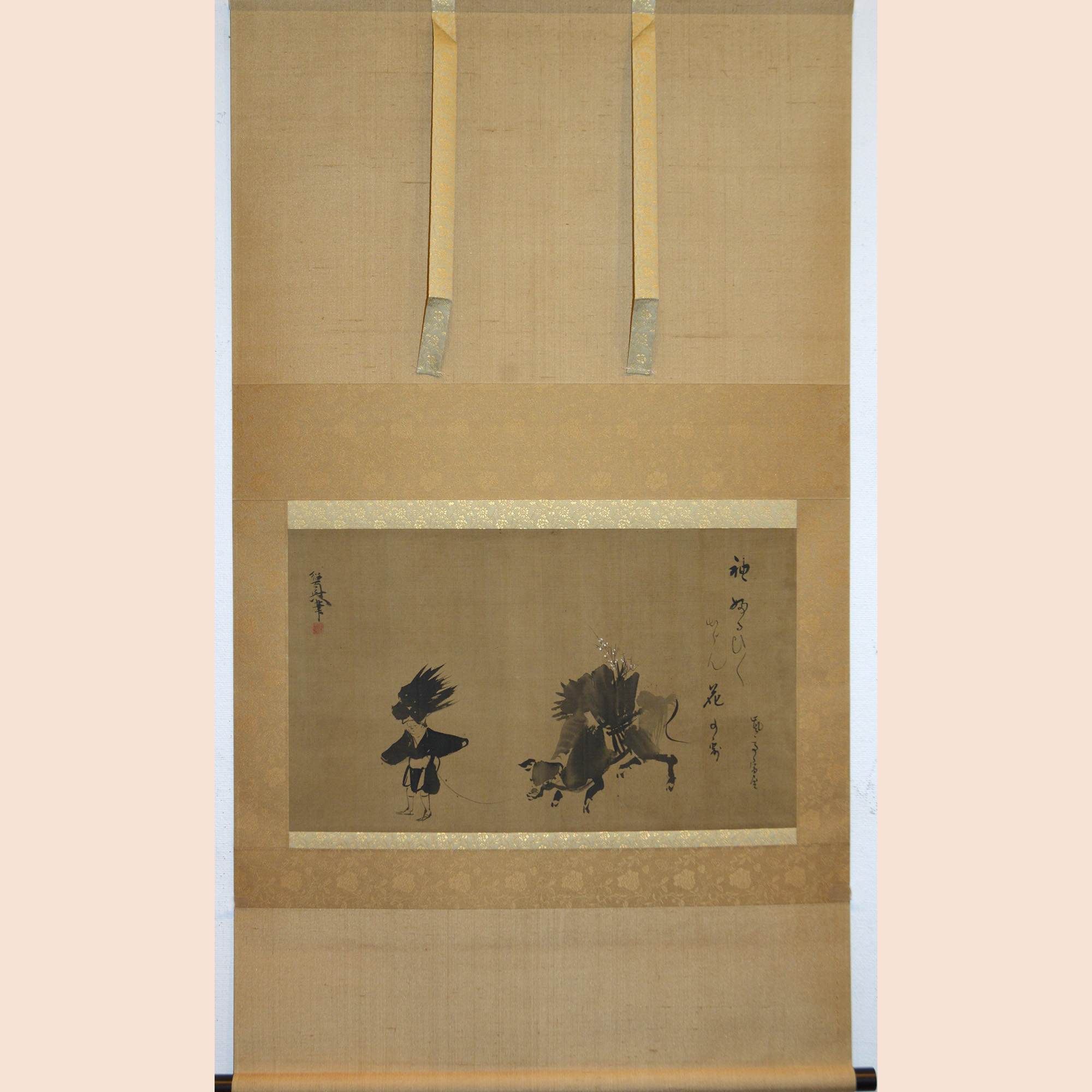
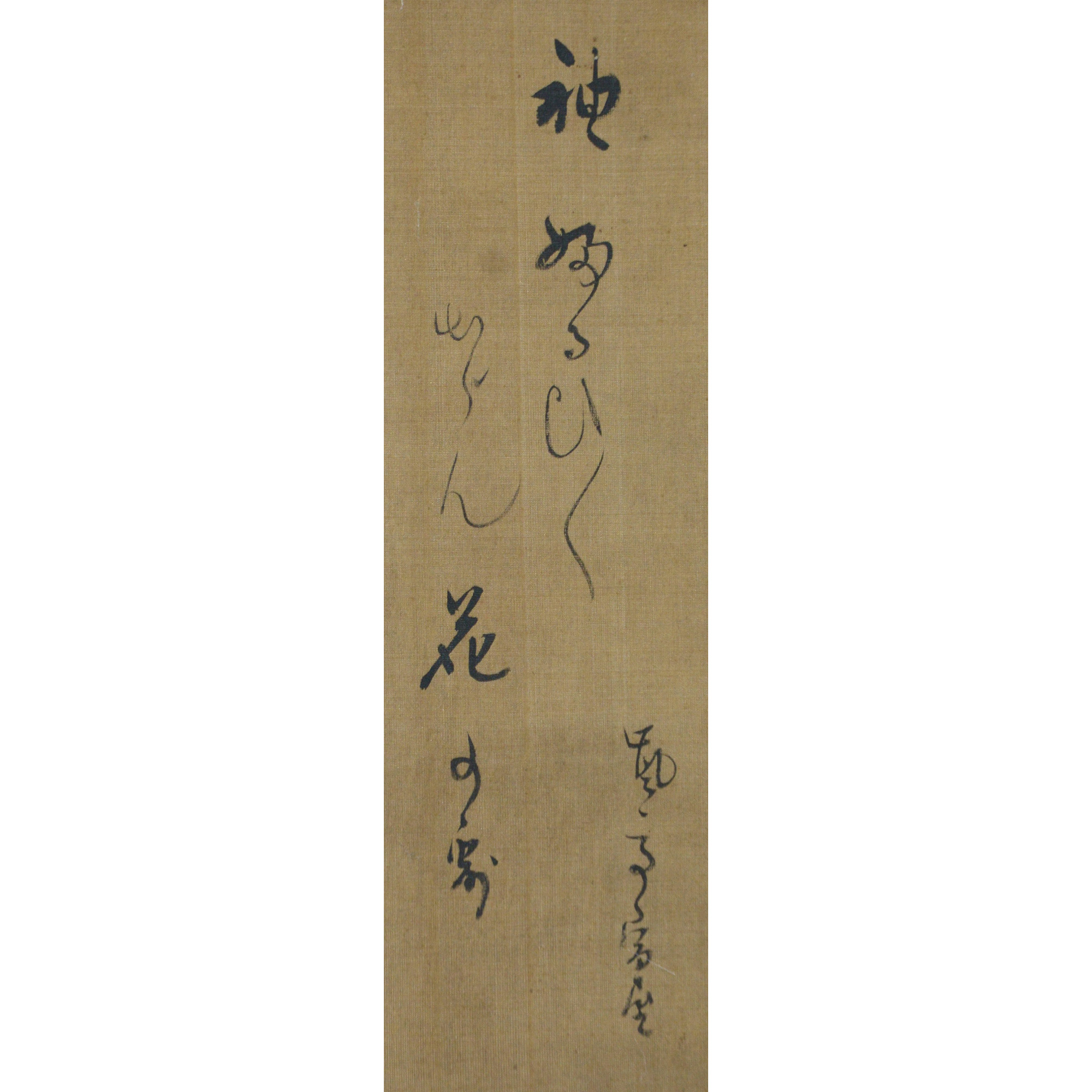
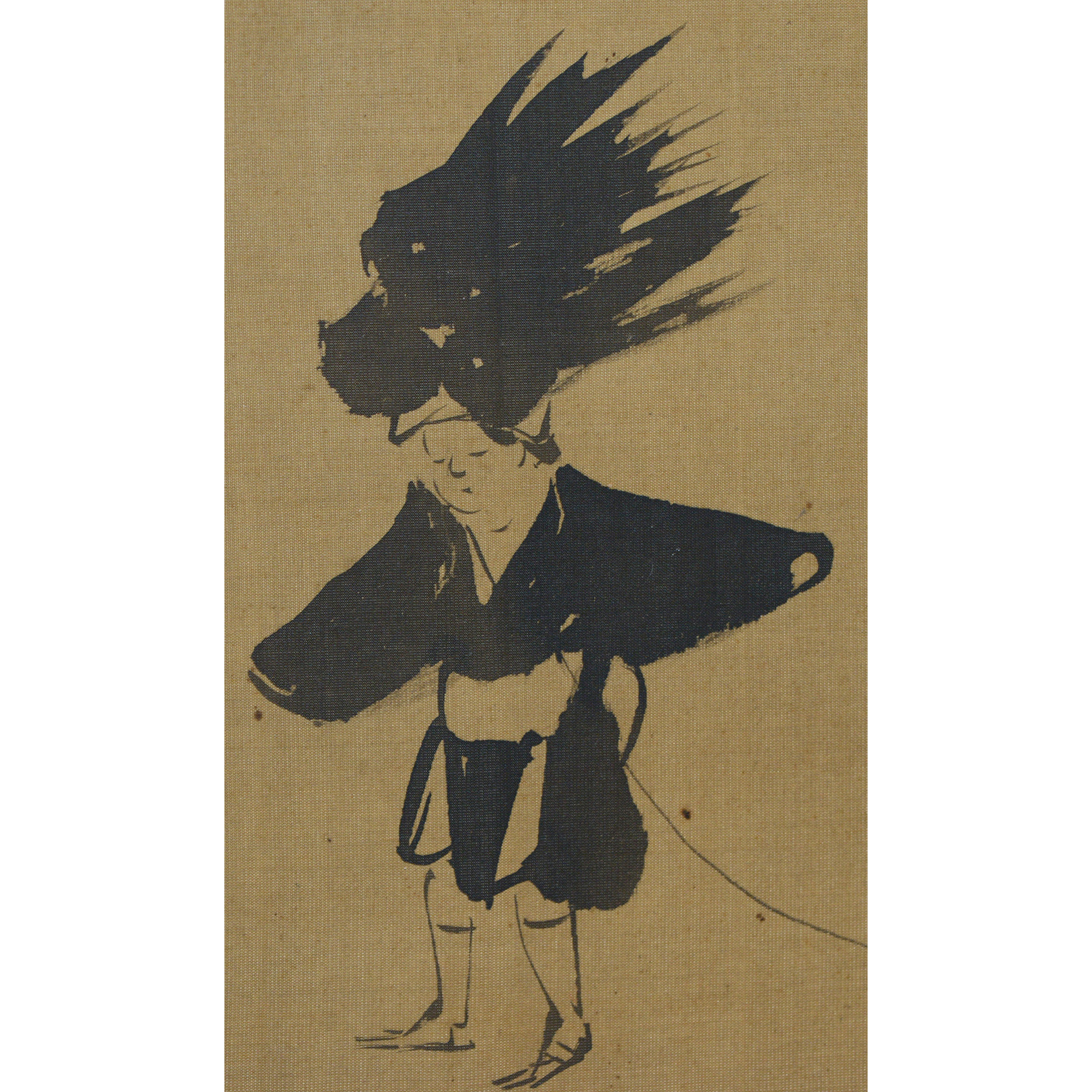
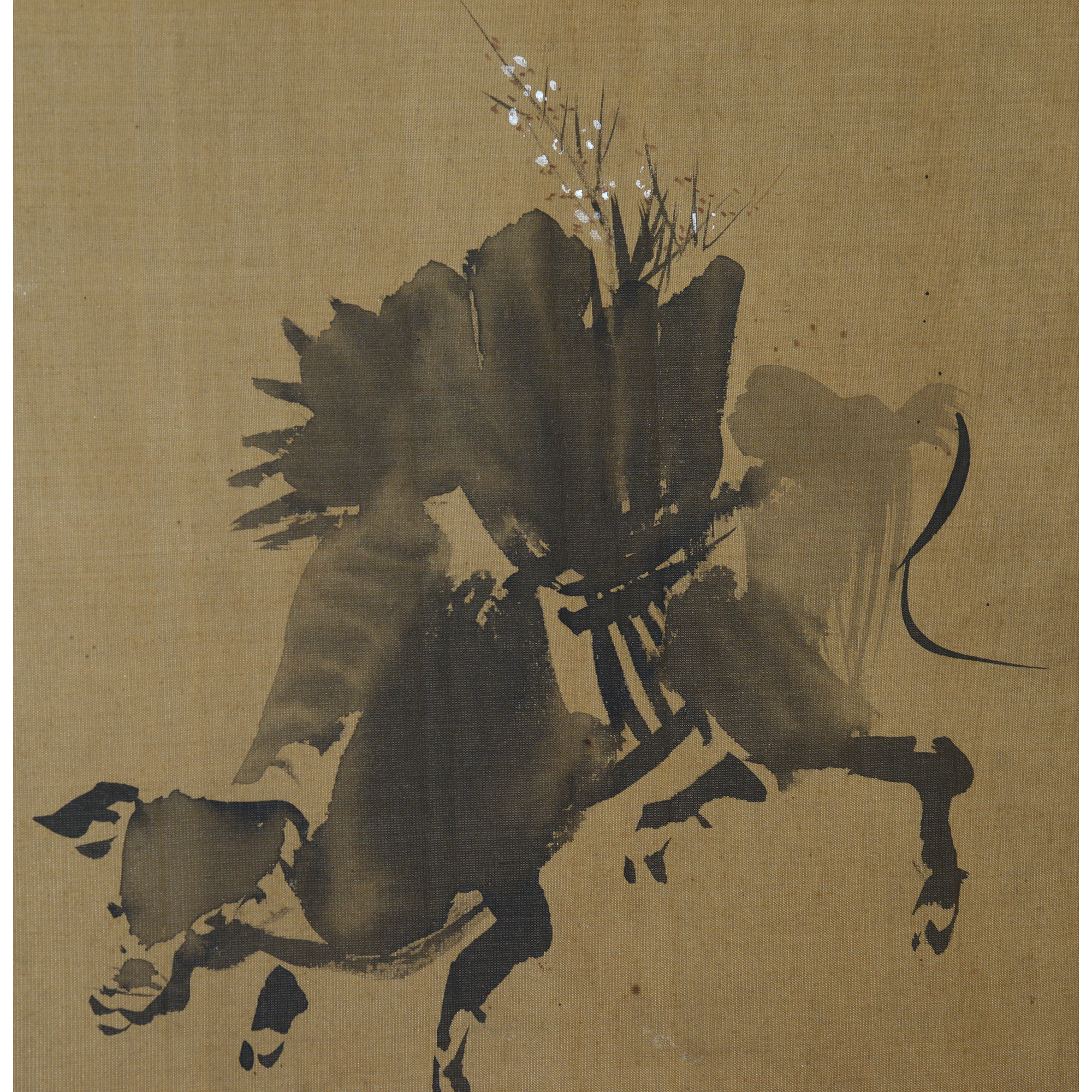
- This work depicts an Ōhara Woman by Kitao Masayoshi.
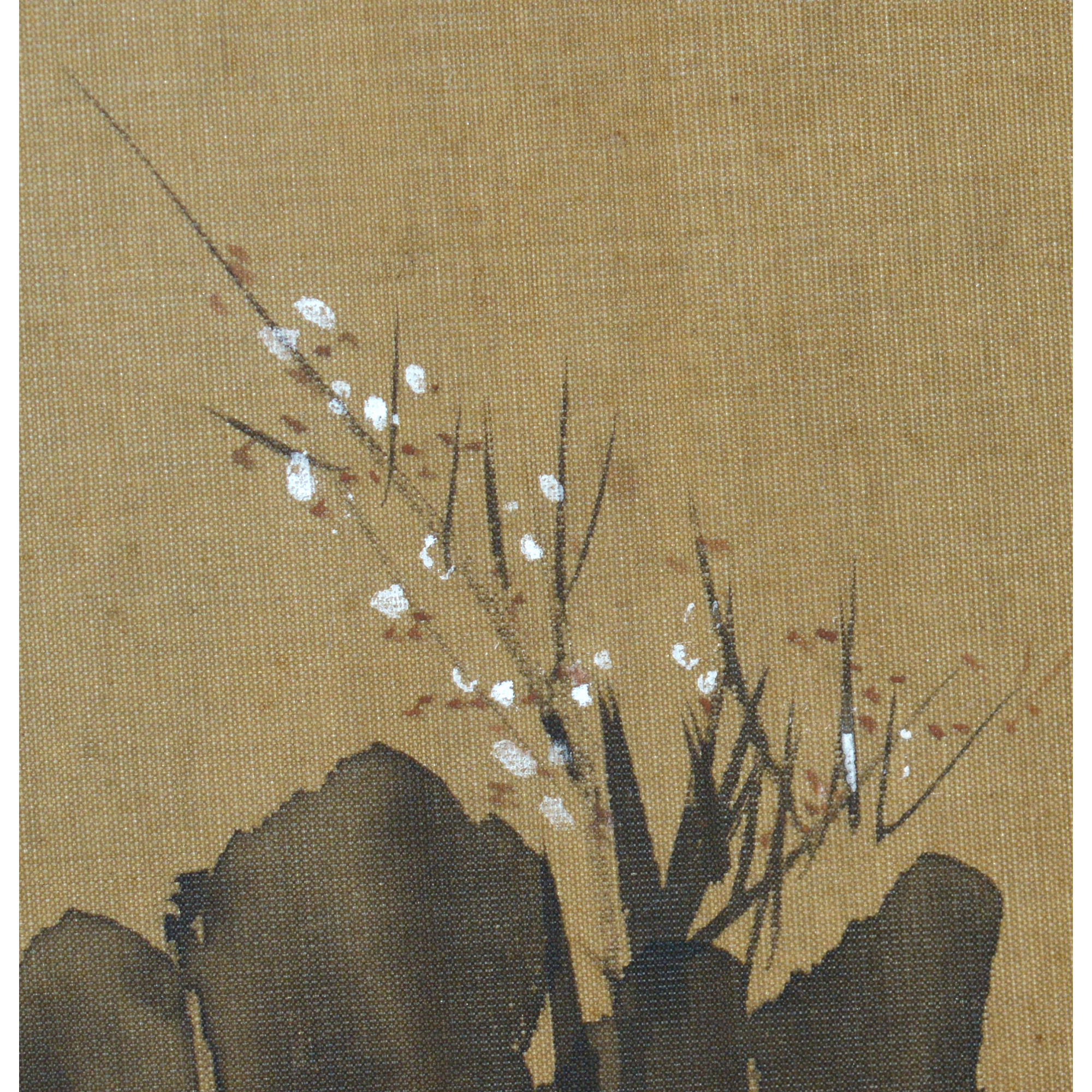
Both the figure and the ox are rendered solely in ink using the tsuketate technique, in which forms are expressed without defined contour lines. Color is applied only to the plum blossoms carried by the ox, creating a striking contrast within the otherwise monochrome composition.
An Ōhara woman refers to a female peddler from Ōhara (now part of Sakyo Ward, Kyoto) who came into the city to sell firewood, brushwood, and charcoal. As a well-known seasonal image of Kyoto, the Ōhara woman appeared in medieval artisan poetry contests and later in kyōgen and dance. In the Edo period, many artists adopted the subject as a popular theme in bijinga (pictures of beautiful women).
With its brisk, economical brushwork and concise expression, this painting exemplifies Keisai’s preference for abbreviated, lightly handled compositions.
Keisai (1764–1824), born Akabane Sanjirō (also read Sanjirō), was an ukiyo-e artist of the mid-Edo period. He first studied under Kitao Shigemasa around the age of thirteen and took the name Kitao Masayoshi, producing numerous illustrations for kyōka poetry books and kibyōshi (illustrated popular fiction).
In 1794 (Kansei 6), he entered the service of the Matsudaira family of the Tsuyama domain (Okayama Prefecture) as an official painter, changing his name to Kuwagata Keisai and adopting the art name Shōshin. After becoming a domain painter, he studied under Kanō Koremasa, further refining his technique. He also mastered traditional styles such as Yamato-e and Rinpa.
Keisai developed a distinctive manner characterized by witty, light-hearted abbreviated drawings (ryakuga) and bird’s-eye-view true landscape scenes, collectively known as Edo ichimokuzu, which reveal his originality and versatility as an artist.