![Kyoto [Gallery-So] for purchase, sale, and appraisal of art works](https://gallery-so.net/images2/common/so-logo.png)
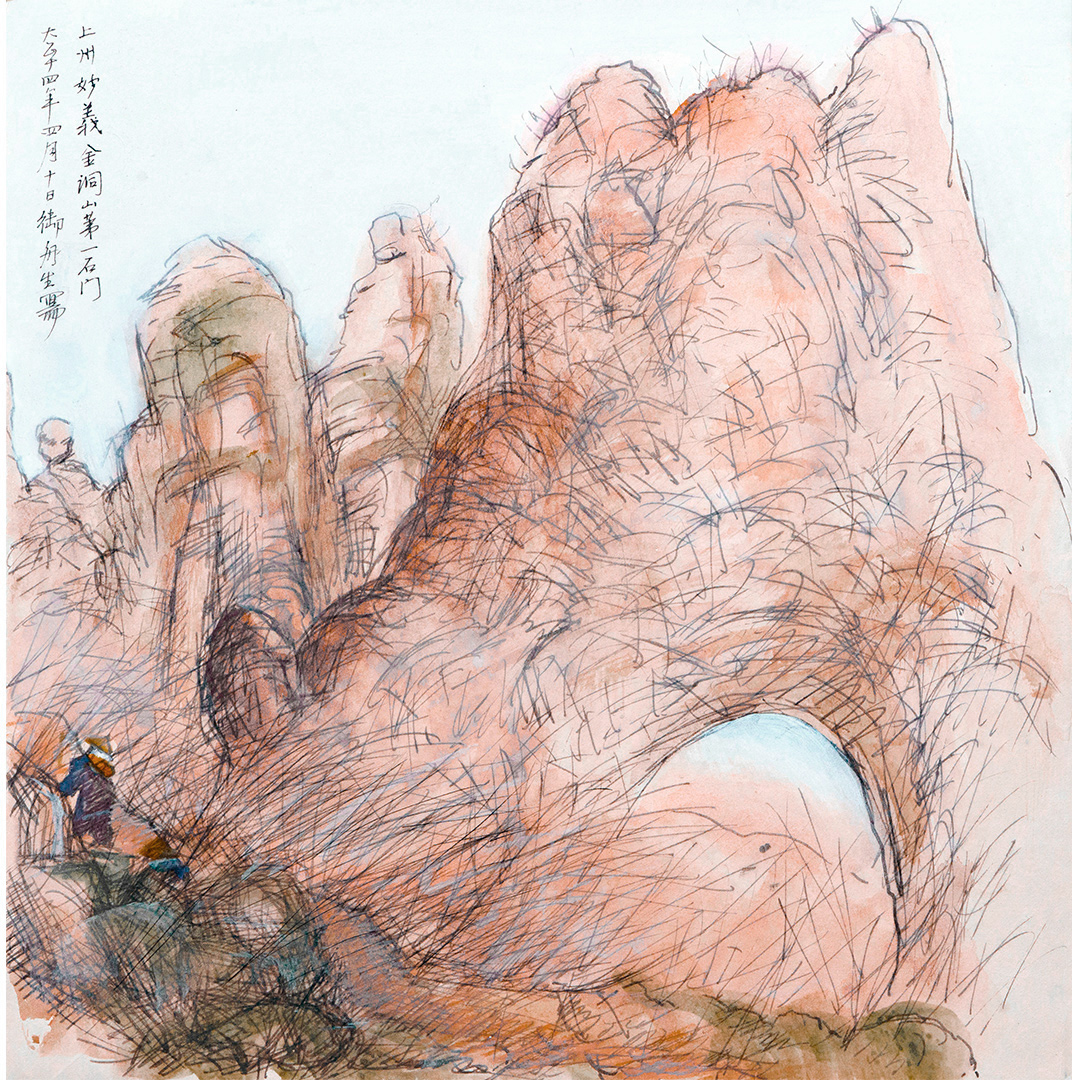
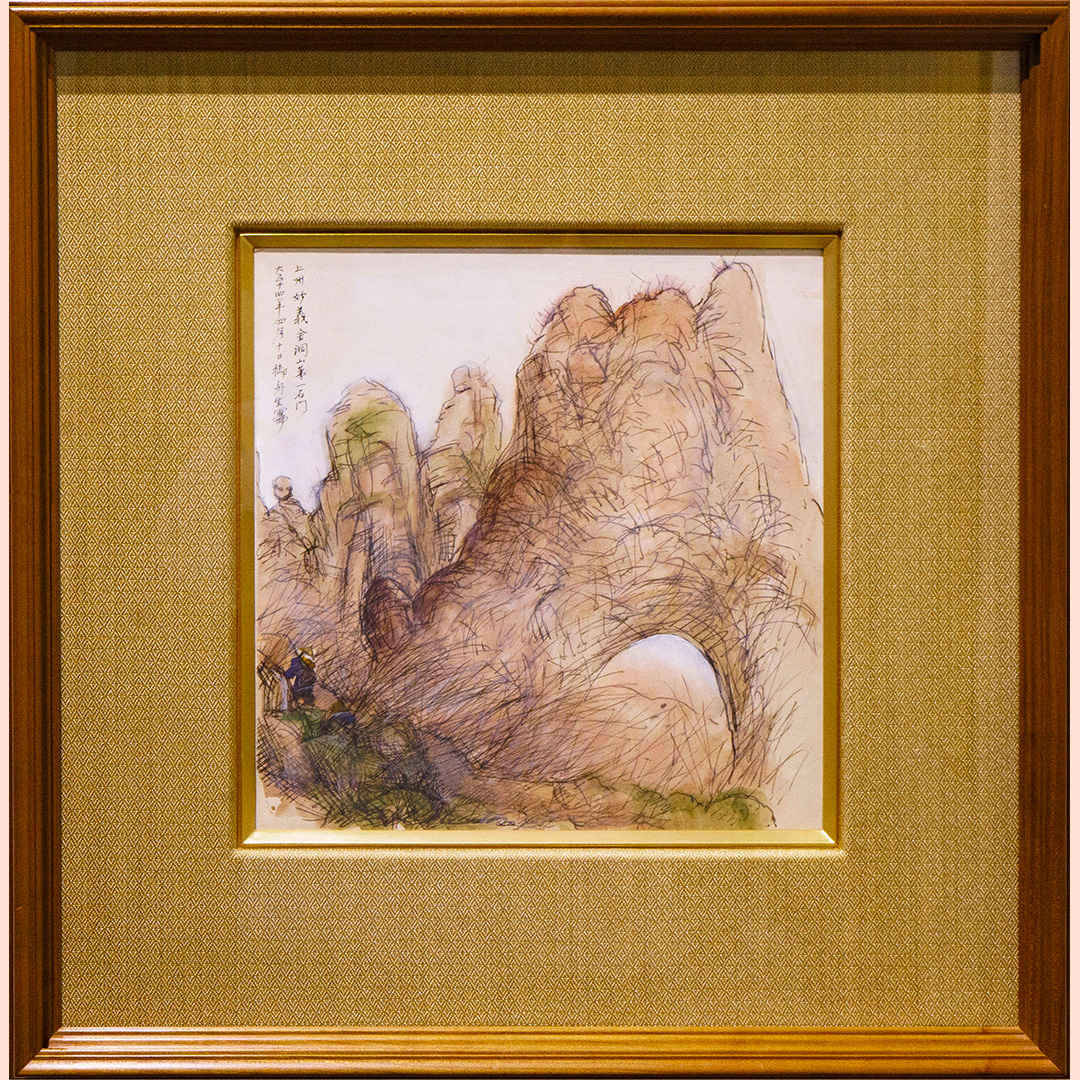
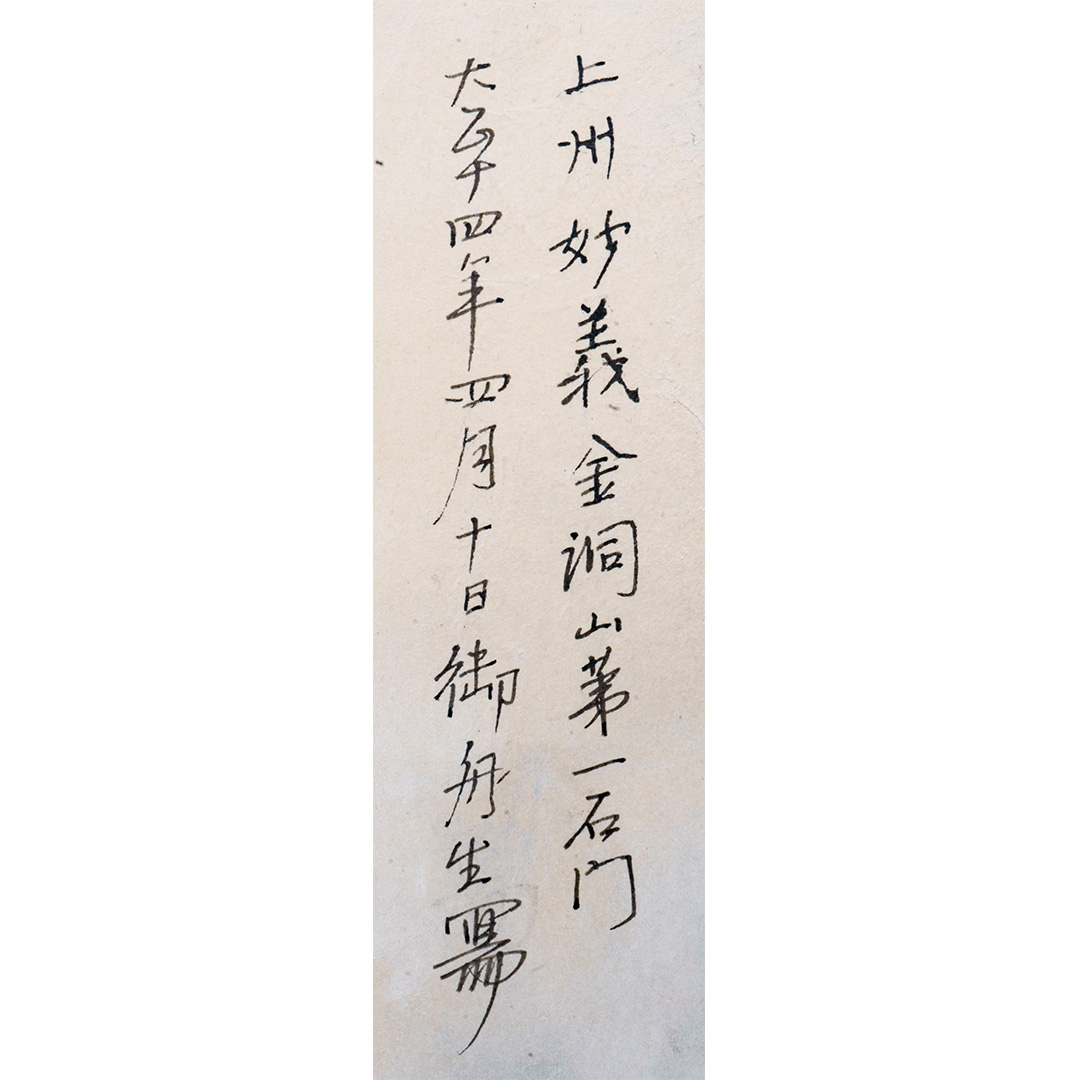
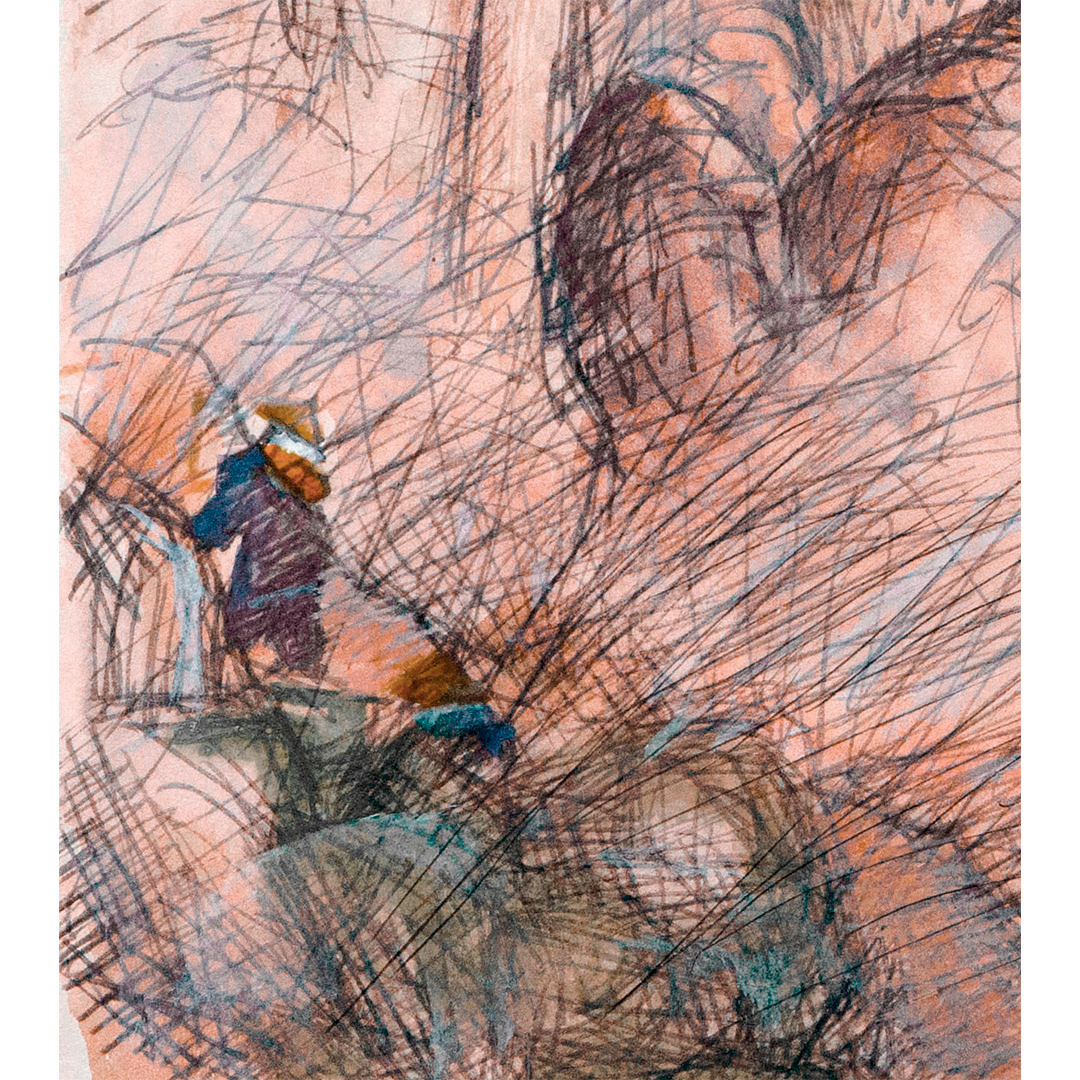
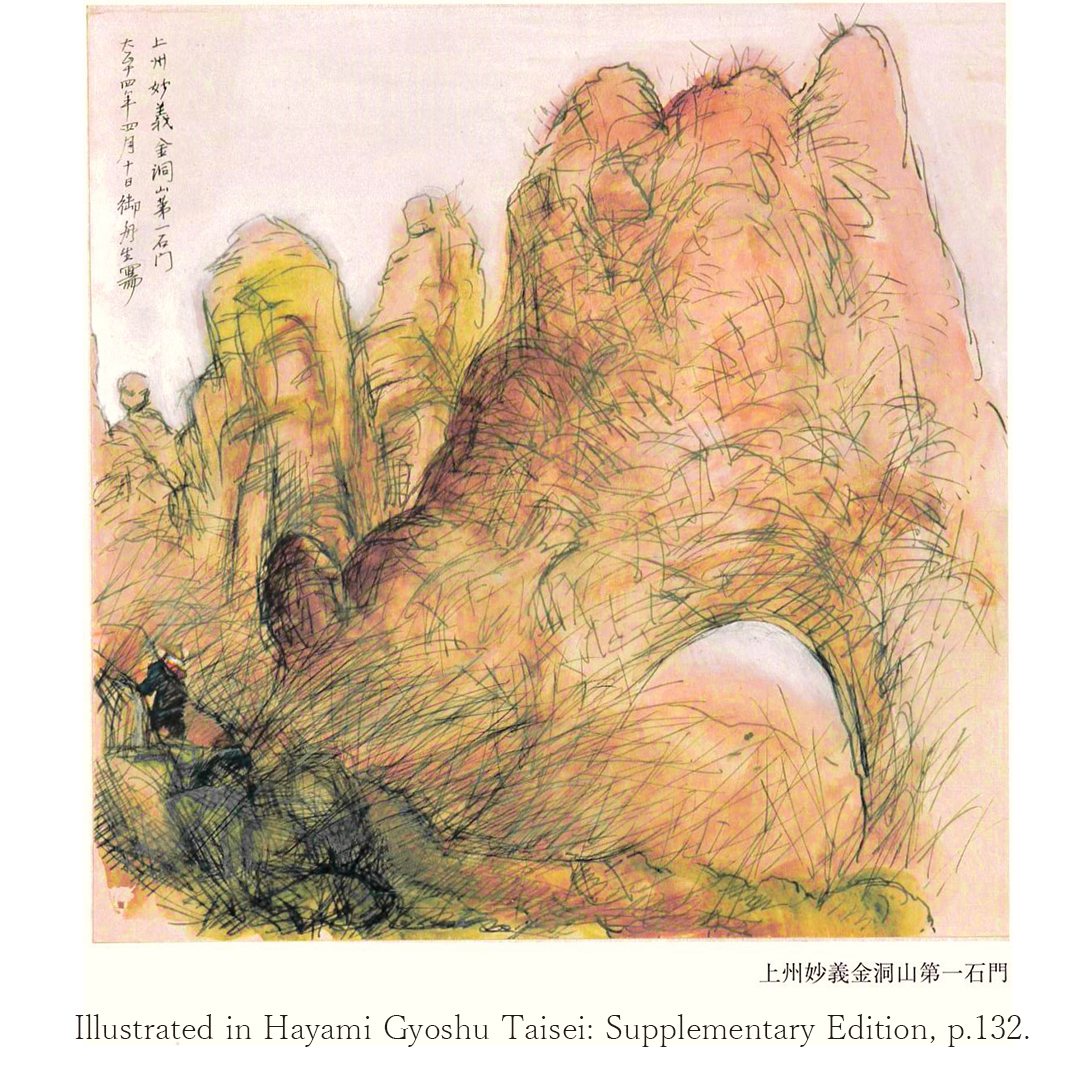
“Stone Gate, Mount Myōgi, Kōzuke Province”
Hayami Gyoshū
Click the image to enlarge.
- Artist Name
- Hayami Gyoshū
- Title
- “Stone Gate, Mount Myōgi, Kōzuke Province”
- Dimensions
- 23.1×22.7 cm
- Medium
- Ink and Color on Paper
- Year
- April 10, 1925 (Taishō 14)
- Description
- Hayami Gyoshū (1894–1935) was a Japanese-style (Nihonga) painter. He was born in Kayachō, Asakusa, Tokyo, and his birth name was Eiichi. At the age of fourteen, he entered the Angadō Painting School under Matsumoto Fūko. After succeeding to his maternal family’s Hayami name, he adopted the art name Gyoshū.
He was active in the Kōjikai and Sekiyōkai groups. In 1917, he exhibited Rakugai Rokudai (“Six Views Outside the Capital”) at the Inten (Japan Art Institute Exhibition), where the work received high praise from Yokoyama Taikan and others, leading to his recommendation as a member of the Japan Art Institute.
In March 1919, he lost his left leg after being struck by a streetcar. Despite this setback, he returned to Tokyo in 1921 and continued to produce major works. In 1925, he presented Enbu (“Flame Dance”) and Jumoku (“Trees”); in 1929, Suitai Ryokushi; and in 1930, Meiju Sanchin (“Fallen Camellias of a Famous Tree”).
He traveled to Europe in 1930. While closely observing contemporary movements such as Fauvism, Cubism, and Surrealism and their theories, he also studied Chinese academic painting. Skillfully incorporating the decorative compositions of Sōtatsu and the Rinpa school, he devoted himself to the creation of a new pictorial realm.