![Kyoto [Gallery-So] for purchase, sale, and appraisal of art works](https://gallery-so.net/images2/common/so-logo.png)
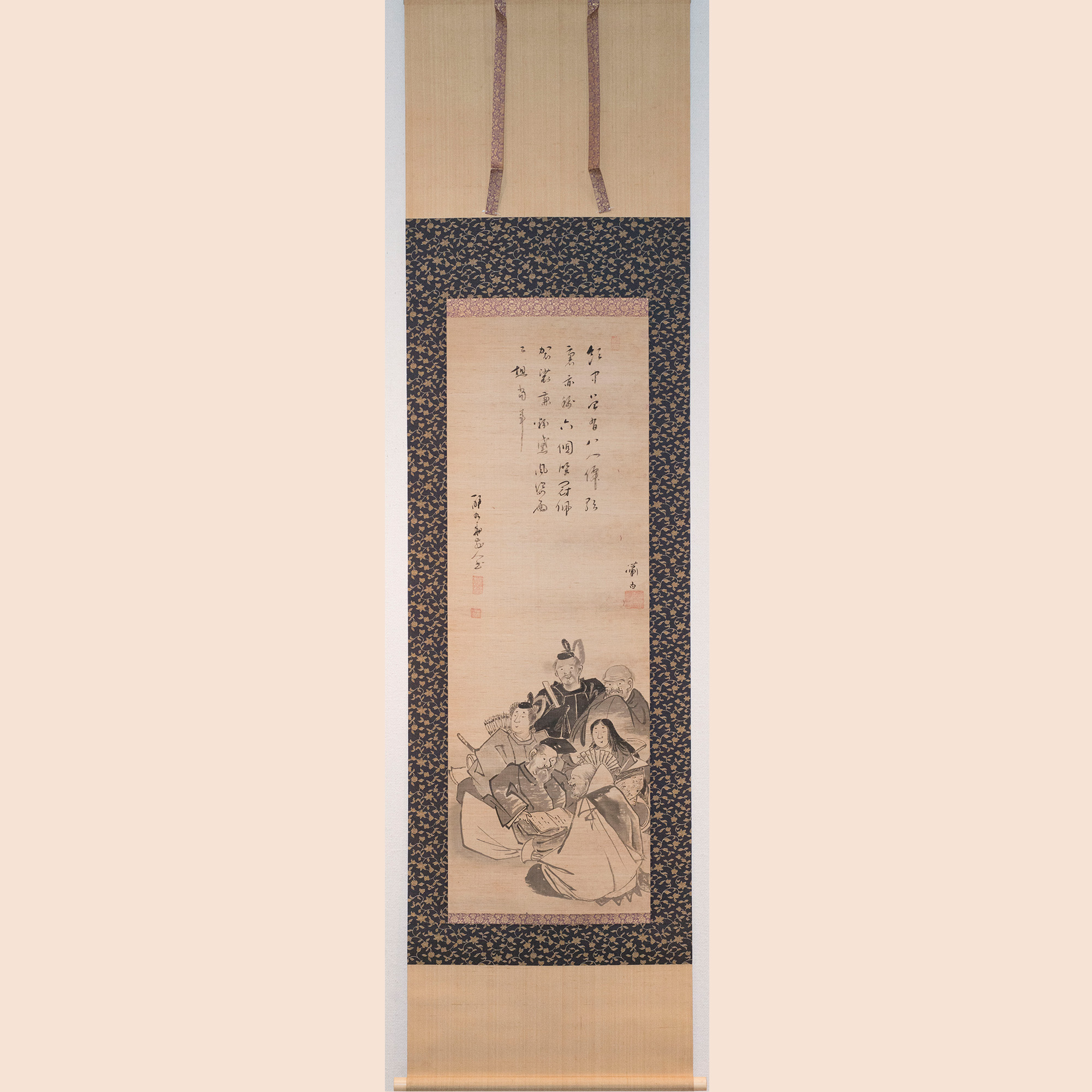
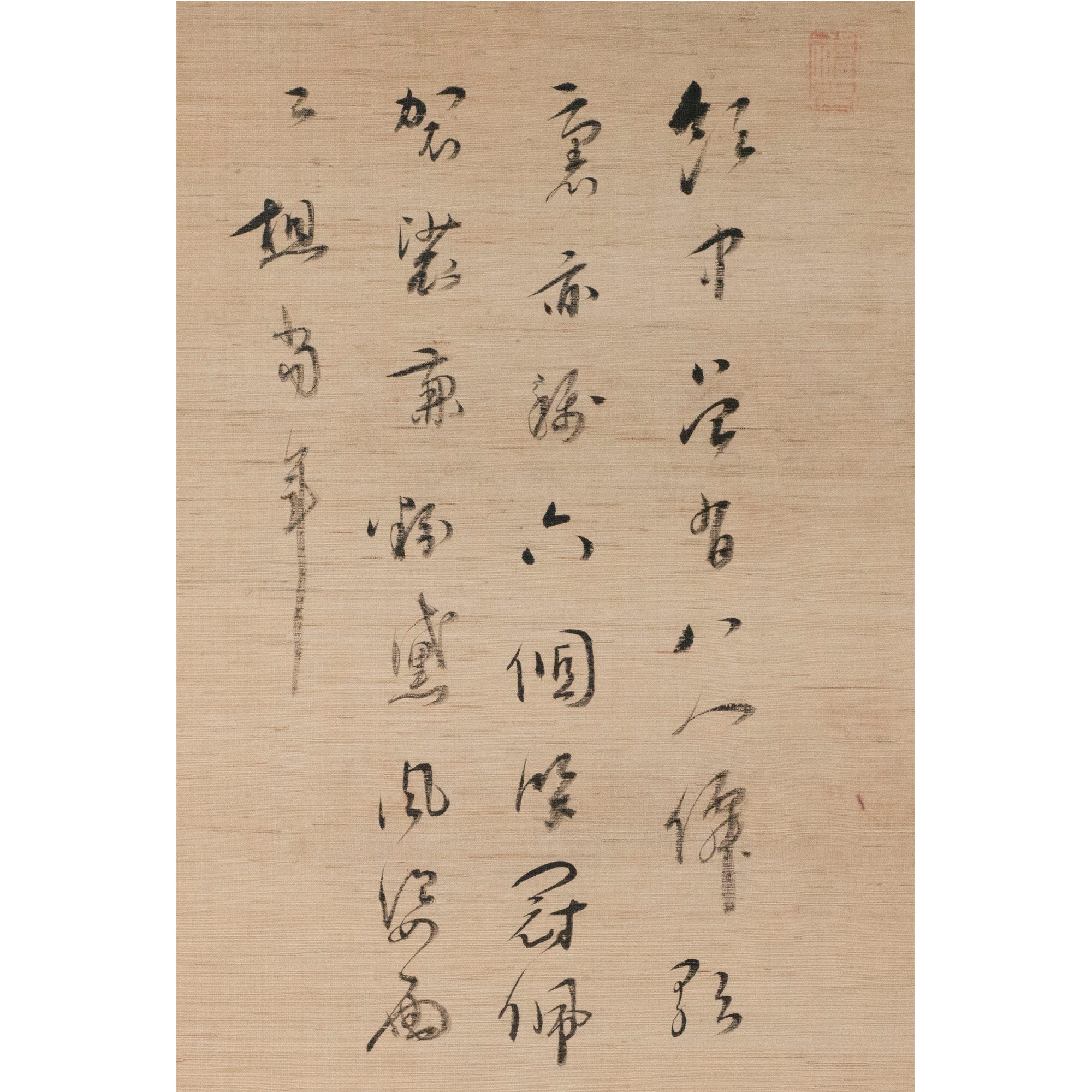
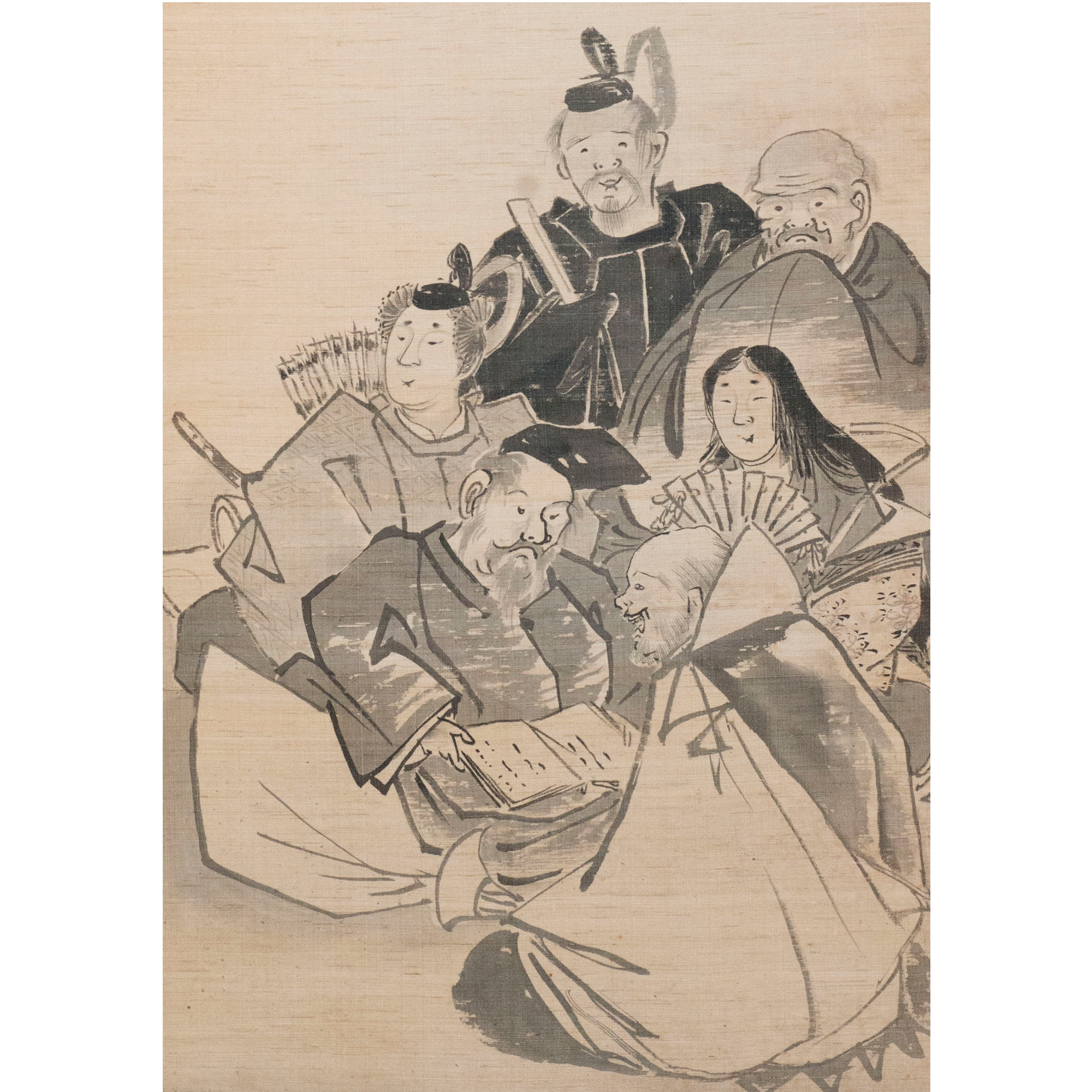
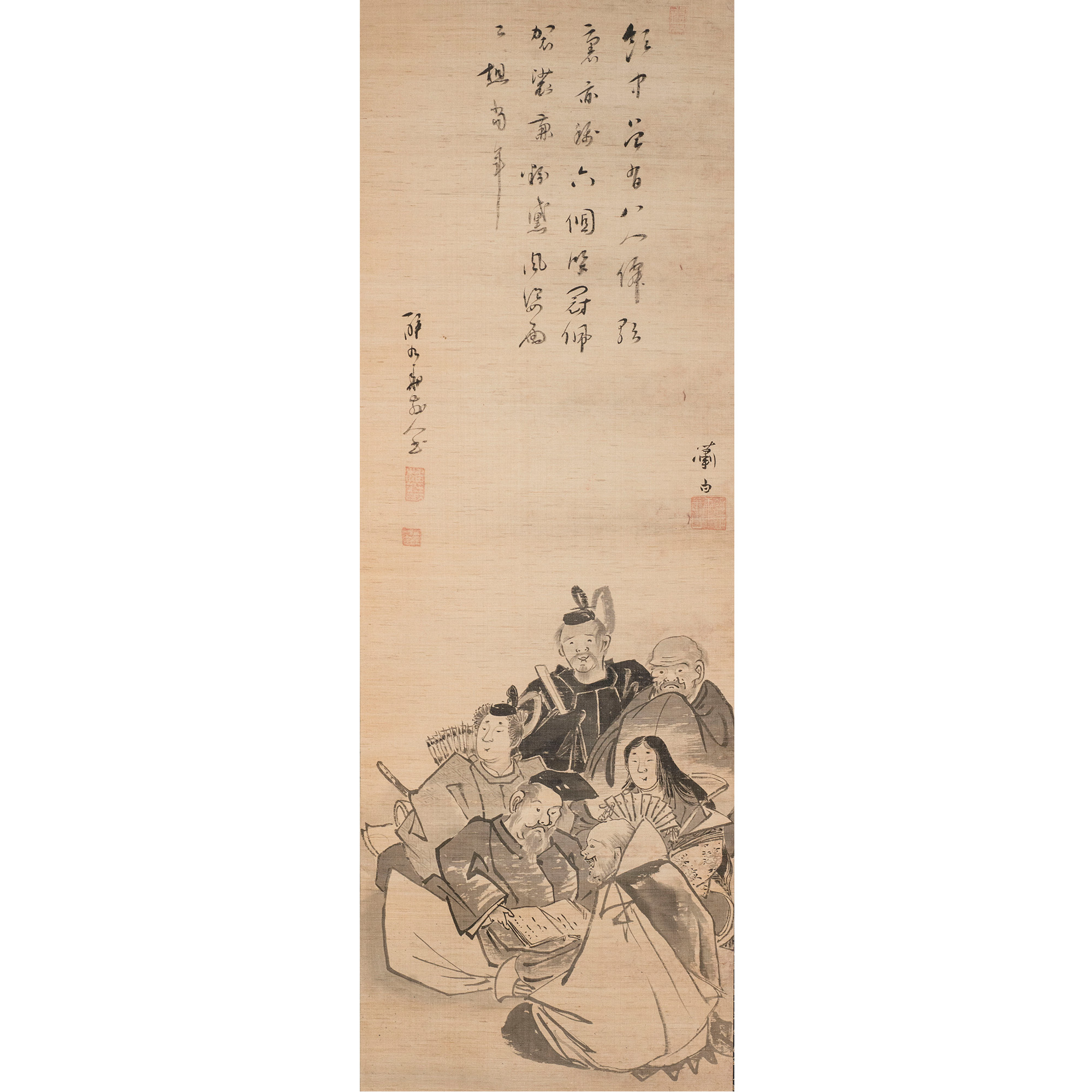
“The Six Poetic Immortals”
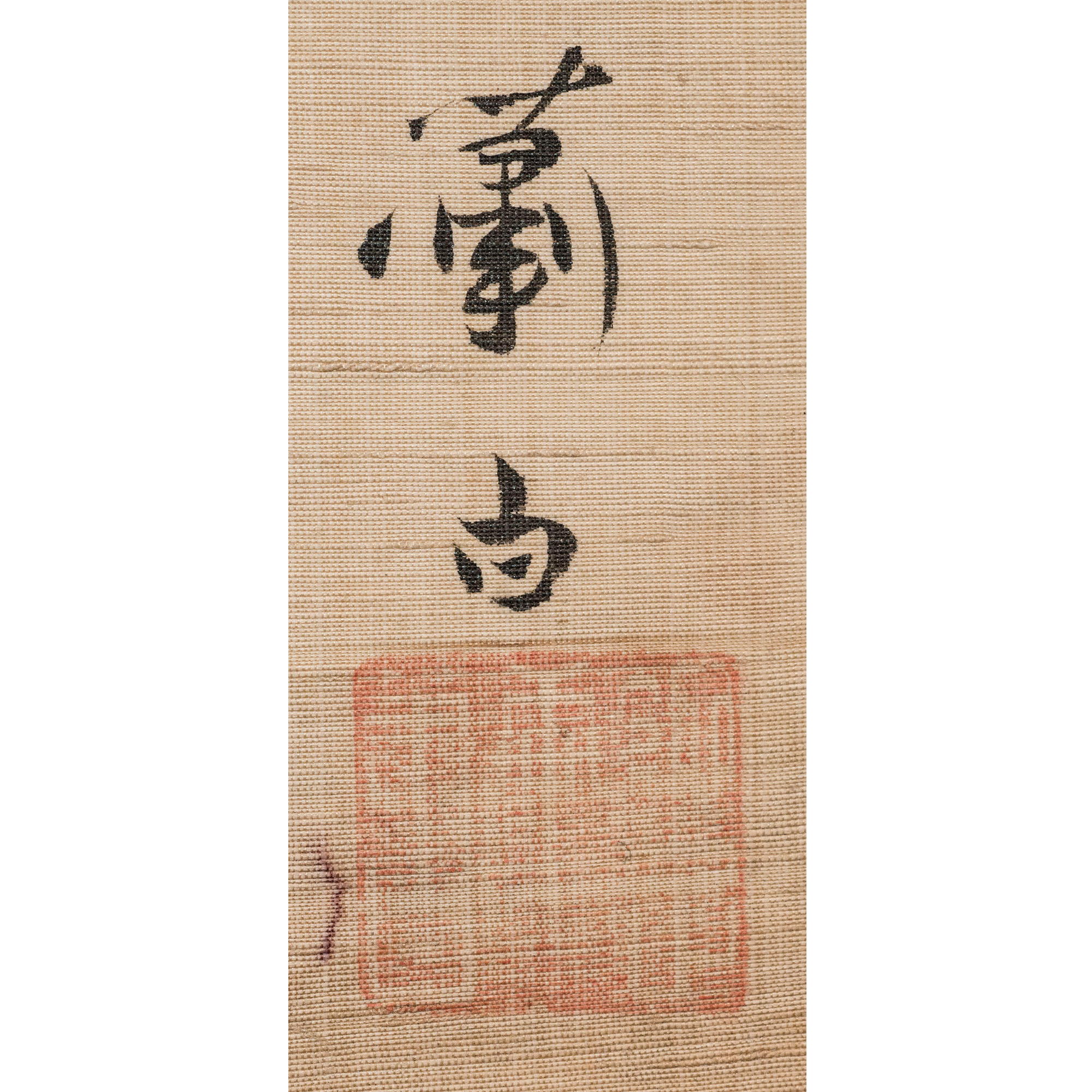
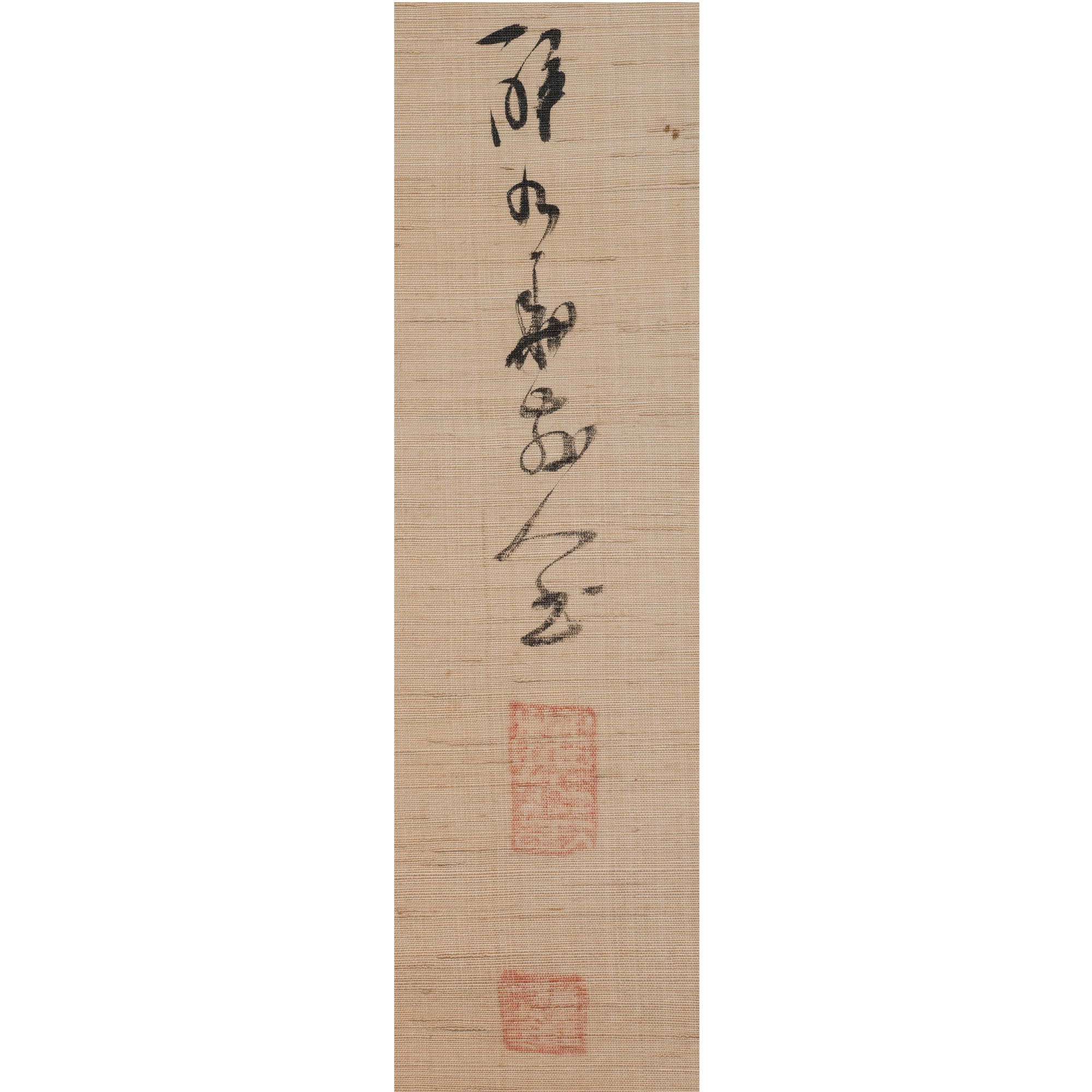
Soga Shōhaku
Click the image to enlarge.
- Artist Name
- Soga Shōhaku
- Title
- “The Six Poetic Immortals”
- Dimensions
- painting:104.5×36.0cm
full length:191.5×55.2cm - Medium
- ink on silk
- Description
- The Six Poetic Immortals (Rokkasen) refer to six early Heian-period poets evaluated by Ki no Tsurayuki in the preface to the Kokin Wakashū (Collection of Ancient and Modern Japanese Poetry). They are Sōjō Henjō, Ariwara no Narihira, Fun’ya no Yasuhide, Kisen Hōshi, Ono no Komachi, and Ōtomo no Kuronushi. The term “Six Poetic Immortals” itself was applied in later generations.
As the authority of the Kokin Wakashū grew, legends surrounding these poets developed, and numerous paintings depicting them were produced. Their stories also became subjects for Noh and Kyōgen theater.
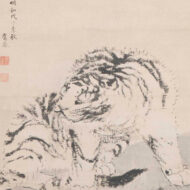
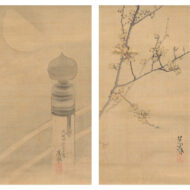
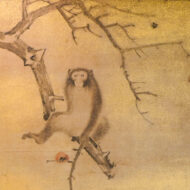
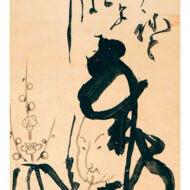
In this work, unlike Shōhaku’s often eerie and dramatic manner of depiction, the Six Poetic Immortals are rendered with humorous and playful expressions.
Soga Shōhaku (1730–1781) was a mid-Edo period painter born into a Kyoto merchant family known as Tanbaya (or Tango-ya). His family name was Miura, and his given name was Teruo. In addition to Shōhaku, he used several art names, including Dasokken, Kodō, and Kishinsai. He is said to have studied under Takada Keisuke, a painter in the Kyoto Kanō lineage. Shōhaku traveled extensively in the Ise region, where many of his works remain today.
Claiming descent from the Soga school, Shōhaku frequently depicted traditional themes such as Chinese historical and literary figures. While influenced by Keisuke’s bold and unconventional style, he transformed it into a highly personal expression. His works are distinguished by their eccentricity and their striking emphasis on subjectivity and individuality.